
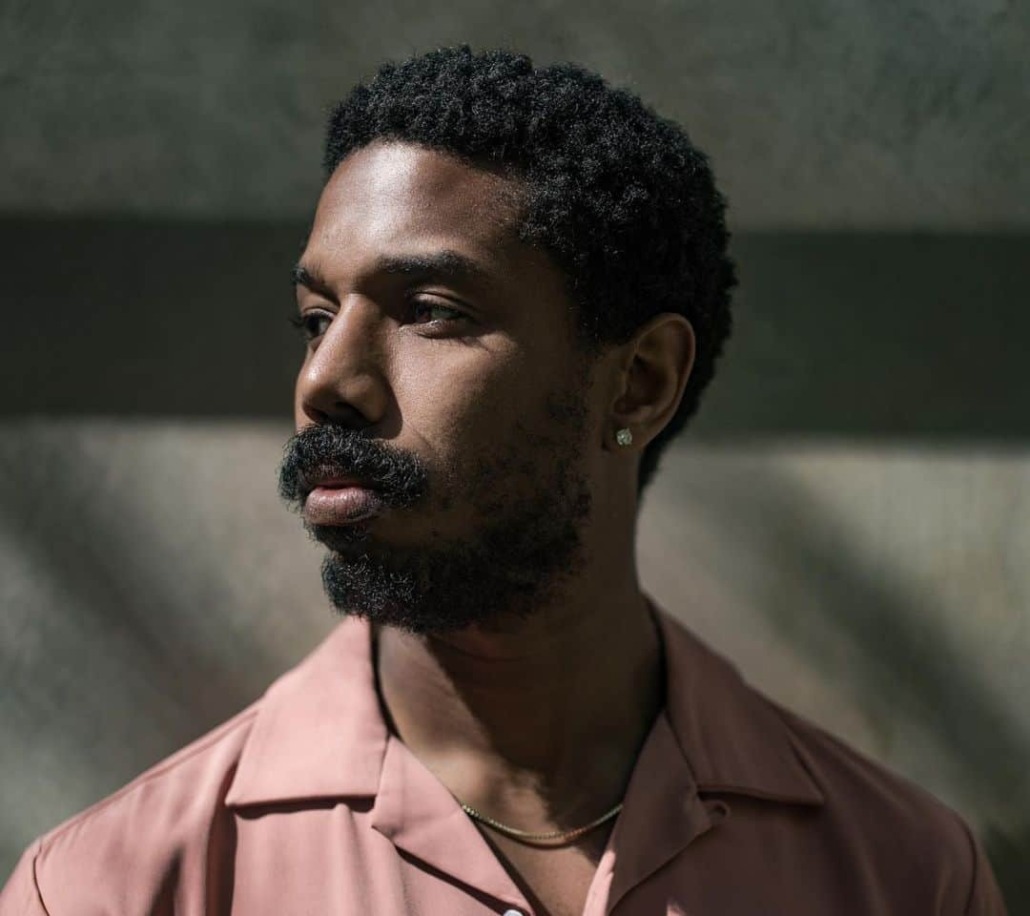
Michael B. Jordan Bought Back His Own Company. That’s the Real Flex.
Photo: Michael B. Jordan / Instagram (@michaelbjordan)
In March 2026, Michael B. Jordan won the Academy Award for Best Actor for Sinners, the Ryan Coogler film that grossed more than $340 million worldwide. It was the peak of the acting career, and it capped a decade of quieter work most coverage skips. Jordan has spent that decade building a business portfolio alongside the movies. Profiles like to call it an empire. A better question, and the one this post answers with the actual numbers, is simpler: what does he actually own? Some of it he owns outright. Some of it he bought back. And some of it, including the two sports teams his name gets attached to, he owns only a seat in. The difference between those three things is the whole lesson.
The company he owns outright
Outlier Society is the foundation, and it is his. Jordan founded the production company in 2016, and it has been the home for his producing career ever since. The deal history tells the story of a company studios compete to house. In January 2019, Outlier signed a first-look film deal with Warner Bros. The Amazon relationship started a month later, in February 2019, with a first-look television deal, and in February 2021 it expanded into the overall deal that made Amazon the company’s home.
The clearest proof of what the company can do is Creed III in 2023. Jordan directed it, his directorial debut, and Outlier Society co-produced it alongside MGM, Chartoff-Winkler Productions, and Ryan Coogler’s Proximity Media. The film cost a reported $75 million to make and grossed $276.1 million worldwide. One production credit among four is worth stating plainly, because it is still the strongest kind of position in Hollywood: his company, his name above the title, his first time in the director’s chair.
The slate ahead shows the company is not coasting on one franchise. Outlier is producing The Greatest, a Muhammad Ali limited series with Jay-Z’s Roc Nation, now on Prime Video. It is adapting Fourth Wing, the bestselling fantasy series. It has Delphi, a Creed spinoff series, in the works. And Jordan is directing and starring in a remake of The Thomas Crown Affair, the kind of project an actor waits for a studio to offer. He does not have to wait. His company makes it.
The acting money feeds all of this, and one early deal shows he learned the ownership lesson young. For Black Panther, Vanity Fair reported in 2018 that Jordan made about $2 million upfront, a modest check for a film that went on to gross $1.349 billion. What mattered was the structure: Jordan has confirmed himself that he holds back-end residuals on the film, meaning he keeps getting paid as it earns. The upfront check spends once. The back end keeps working. That is the same instinct behind everything below, and by the time of Sinners his reported salary had risen to $4 million, with an Oscar on top of it.
Photo: Lê Minh / Pexels
The buyback: owning his agency twice
The single strongest ownership move in the portfolio is the one with the fewest headlines. Obsidianworks is a culture-focused marketing agency Jordan co-founded with Chad Easterling, a former Nike executive. Jordan serves as executive chairman, Easterling runs it as CEO, and the client list is serious: Nike, Converse, Meta, Target, and Spanx among them.
In 2021, the agency took on a powerful partner. 160over90, the agency arm of Endeavor, bought a minority stake, in a deal the Wall Street Journal reported at roughly $20 million. That is a normal and often smart step. A big partner brings capital, relationships, and a machine a young agency can plug into.
What happened next is the lesson. In March 2026, Obsidianworks bought that stake back and returned to full independence. Easterling said at the time that independence had been the plan from the beginning, and that the buyback was about growing faster and on their own terms.
Here is why buying back your own equity matters, in plain terms. When an outside partner owns a piece of your company, they own a piece of every decision and every dollar of profit, forever, until that piece is sold or bought back. The stake that helped you grow at one stage can cap you at the next: your client choices, your expansion plans, and your exit options all run through someone else’s priorities. Buying the stake back costs real money, and it is a bet that the company is worth more under your full control than the cash and connections the partner brought. Jordan and Easterling made that bet on themselves. Plenty of founders sell a piece and never get it back. These two did, and they did it from a position of strength, with a full client roster, not out of distress.
The endorsement engine
Between the companies sits the cash machine, and it is worth naming honestly: endorsements are not ownership. When a brand pays Michael B. Jordan, the brand keeps the company. He keeps the check.
That check has been large and steady for years. In September 2018, Coach named him its first global men’s ambassador, a first for the brand, and followed it in 2019 with a design capsule he created himself. He fronted Calvin Klein’s underwear campaign in 2023. In January 2024, David Yurman named him a global ambassador for its men’s high jewelry line, The Vault. Amazon put him in its Alexa Super Bowl ad in 2021.
None of that is a criticism. It is a strategy, as long as you see it clearly. Endorsement money is rented fame: a brand rents your face and your audience for a season. The smart play, and the one Jordan’s portfolio shows, is to treat that money as fuel. The checks from brands and studios fund the companies you actually own. The mistake is confusing the two, counting a campaign as an asset. A campaign ends. Equity compounds. Jordan’s career shows a man who knows which one is which.
The minority seats
Now the part of the portfolio that gets described the loosest, and where honest sizing matters most.
Start with AFC Bournemouth, the English Premier League football club. Jordan is part of the ownership picture through Black Knight, the holding company that controls the club. He leads a minority ownership group, alongside Nullah Sarker, that holds 24.9 percent of Black Knight. Read that carefully. The 24.9 percent belongs to the group, not to Jordan alone, and his personal percentage inside the group has never been disclosed. One outside analysis estimates it in the low single digits. Control of the club sits elsewhere, with chairman Bill Foley and Cannae Holdings. Sportico valued Bournemouth at $630 million in 2025, and even that number depends on the method; The Athletic’s valuation approach put the club closer to $365 to $405 million. Jordan does contribute real work, focused on global marketing and growing the club internationally, per the club’s own statements. It is a genuine ownership position. It is also a minority seat in somebody else’s structure.
Formula One tells the same story one step further removed. In 2023, a consortium led by Otro Capital bought 24 percent of the Alpine F1 team for 200 million euros, a deal that valued the team at roughly $900 million. Jordan is one investor inside Otro’s group, alongside names like Ryan Reynolds and Rob McElhenney. His individual stake has never been reported, and the 200 million euros is the consortium’s money, not his. Then came the reality check. In July 2026, Renault’s CEO said publicly that the Otro partnership “was not successful,” that the investor group holds no operating rights in the team, and that Otro has been looking to sell its position.
That sequence is the most useful paragraph in this post for anyone learning how ownership works. A famous name on an owners list is not the same as owning the asset. Jordan’s Bournemouth and Alpine positions may still prove to be good investments; minority stakes in appreciating sports properties often are. But he does not set strategy at either one, he cannot sell the asset, and at Alpine the group he joined may exit on a timeline he does not control. A seat at the table is a real thing. It is just a different thing from owning the table, and it should be priced, and described, that way.
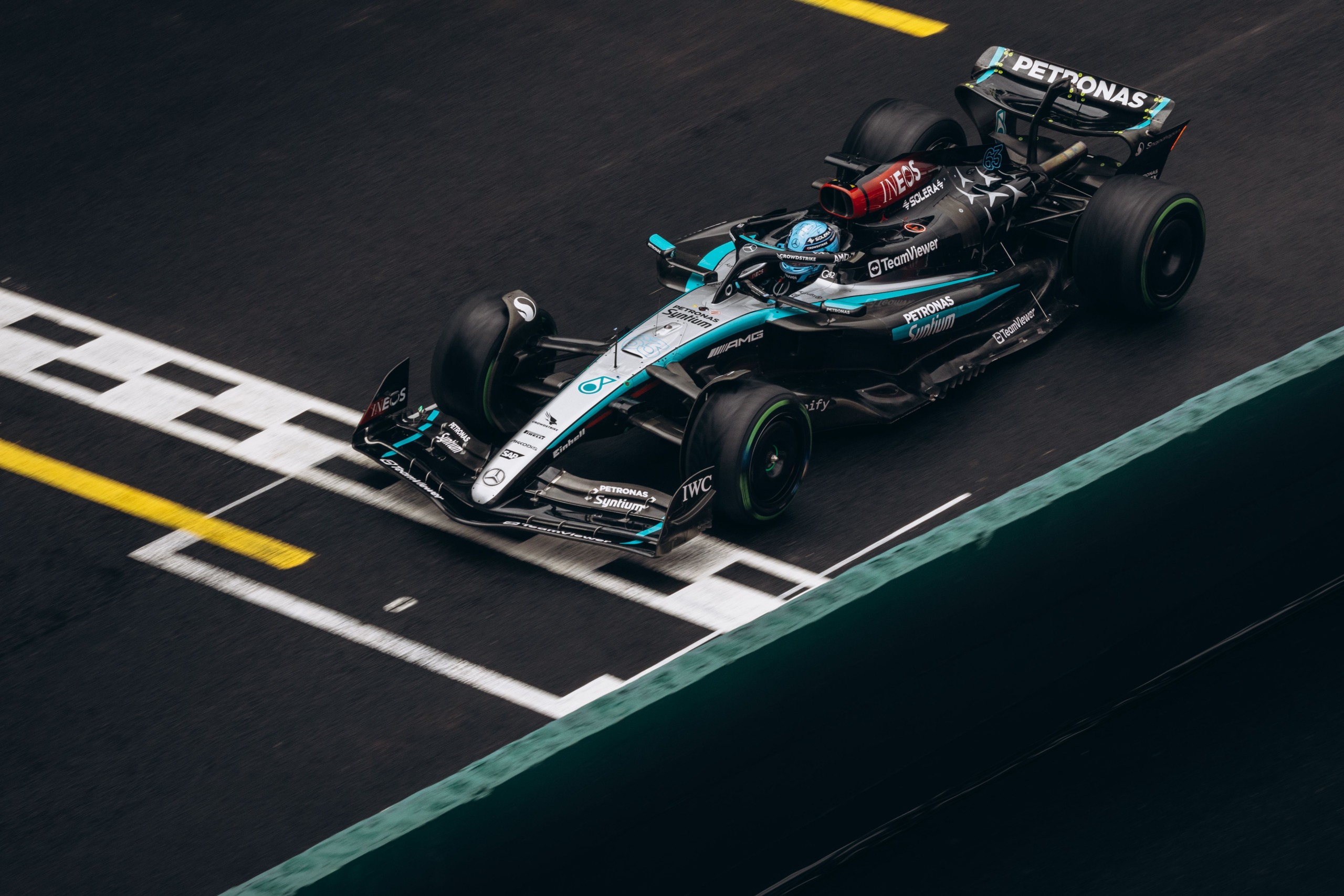
Photo: Jonathan Borba / Pexels
The exits and the stumbles
An honest portfolio includes the parts that ended. Jordan co-founded MOSS, a sea moss wellness drink, through Outlier Society Ventures with the health brand Dr Smood. In April 2026, as the brand went through a restructuring that shrank its retail footprint, he exited, as the beverage trade publication BevNET reported. No scandal, no collapse narrative. A venture ran its course, the structure changed, and he made a business decision to step away. Exits are part of ownership. A portfolio where nothing ever ends is usually a portfolio where somebody is afraid to cut.
And there was a stumble he owned quickly. In 2021 he launched a rum under the name J’Ouvert, a word with deep roots in Caribbean carnival culture. The backlash from the Caribbean community was immediate, and within days Jordan apologized publicly and renamed the brand. It is a small episode next to everything above, and it earns its place here for one reason: he did not hide from it, litigate it in public, or let it drag. He acknowledged the mistake and fixed it fast. That is also an ownership skill.
The lesson, in three tiers
Strip the celebrity away and Michael B. Jordan’s portfolio is a clean map of the three positions any builder can hold, in order of strength.
First, own it outright. Outlier Society is his company, full stop. He controls the slate, the deals, and the upside. This tier takes the longest to build and it is the one everything else should serve.
Second, when you sell a piece to grow, keep the buyback in view. Obsidianworks took a major partner’s money and machine in 2021, grew, and bought its independence back in 2026. Selling equity is not failure and buying it back is not pride. Both are tools, and the second one only exists if the business you built is strong enough to afford it.
Third, rent your fame and take minority seats knowingly. Endorsements are income, not assets, and they are excellent income when they fund tiers one and two. Minority stakes in famous properties can be smart money, but go in clear-eyed: know your percentage, know who actually controls the asset, and know that your exit may not be yours to time.
One closing note on the scoreboard people reach for first. Celebrity Net Worth estimates Jordan’s net worth at $50 million; Forbes, for its part, publishes no net worth figure for him at all. Estimates like that are guesses built on public deals, and they will move around. What does not move is the structure underneath: companies he controls, equity he reclaimed, and seats he took with his eyes open. For anyone building toward ownership, that structure is the part worth studying.
Educational Disclaimer: Content about money, business, and investing on The Green Social is for general education and information only. It is not financial, investment, tax, or legal advice, and it is not a recommendation to buy, sell, or hold any asset or to follow any individual’s business decisions. Figures about private companies and personal holdings are drawn from the public reporting cited in this post and may be estimates. Everyone’s situation is different; speak with a licensed financial, tax, or legal professional about your own circumstances before making a decision.
Photos and video of the public figures featured in this post are credited to the sources named with each image. The Green Social does not claim ownership of third-party media, which remains the property of its respective owners.
#MichaelBJordan #BlackExcellence #Ownership




Leave a Reply
Want to join the discussion?Feel free to contribute!