
Who Killed Biggie? The Detective Who Says the Case Is Already Solved
A short clip from WABC Radio started making the rounds this weekend, and it stops you mid-scroll. Former LAPD detective Greg Kading, white-haired now and looking straight into the camera, says he knows exactly who killed The Notorious B.I.G. Not thinks. Knows. And he lands the line he has been landing for years: the case is not unsolved, it is unprosecuted. Almost three decades after Christopher Wallace was shot to death at a Los Angeles red light, the man who once ran the official task force is still saying the answer has been sitting in a file the whole time.
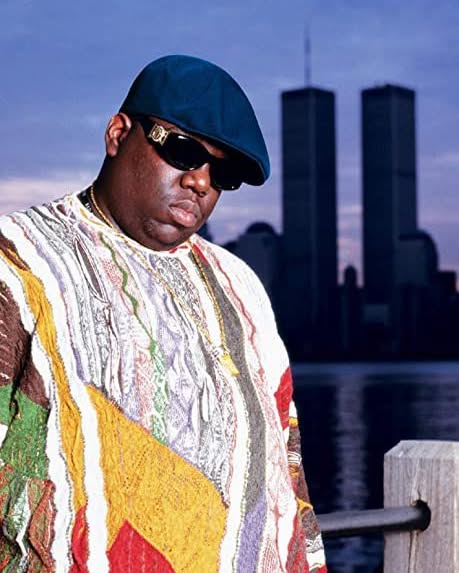
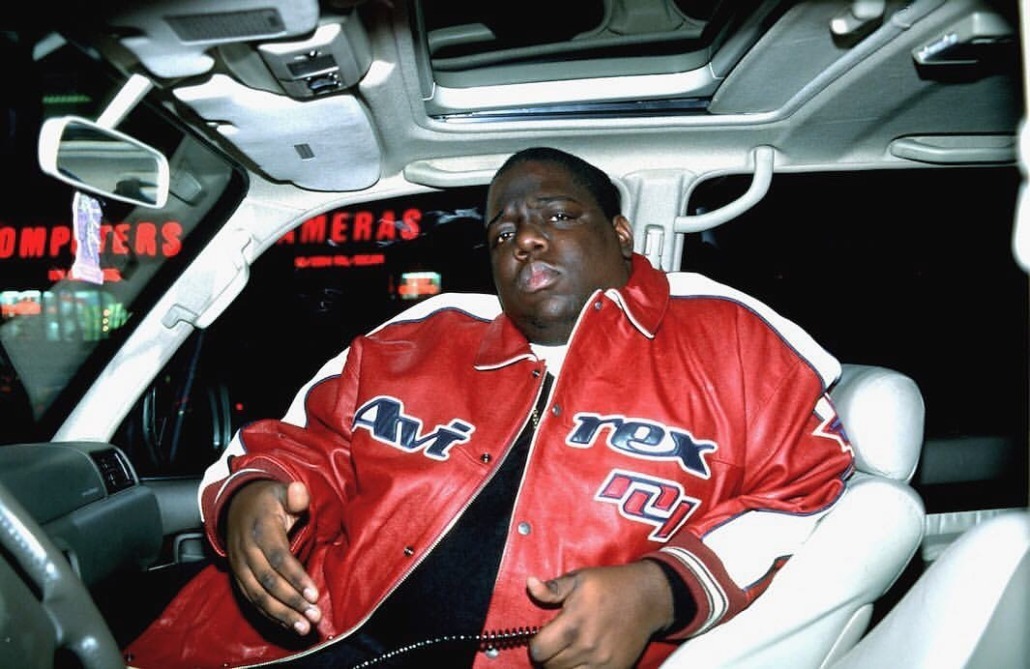
The Notorious B.I.G. in New York. Photo: The Notorious B.I.G. / Instagram (@thenotoriousbig)
Before anyone treats the clip like a breaking development, here is the honest frame. Everything Kading says in it has been his public position since 2011. What follows is his account, step by step, the rival theory he argues against, and the reason none of it has ever been tested in a courtroom.
The Night: March 9, 1997
Wallace was in Los Angeles to promote his second album, Life After Death, which was weeks from release. On the night of March 8 he presented an award at the Soul Train Music Awards, then went with the Bad Boy entourage to an after-party hosted by Vibe magazine, Qwest Records and Tanqueray at the Petersen Automotive Museum on Wilshire Boulevard.
The party let out after midnight. Around 12:30 a.m., Wallace left in a convoy of GMC Suburbans. His SUV stopped at a red light at Wilshire Boulevard and South Fairfax Avenue, a few dozen yards from the museum. A dark Chevrolet Impala SS pulled up on the passenger side. The driver, a man in a suit and bow tie, lowered his window and fired into the Suburban. Four bullets hit Wallace. His people rushed him to Cedars-Sinai Medical Center, where he was pronounced dead at 1:15 a.m. He was 24 years old.
It came six months after Tupac Shakur was shot in Las Vegas. Two of the biggest artists in the world, gone in half a year, in similar drive-by shootings. Nobody has ever been charged in Wallace’s murder. Officially, the case is unsolved.
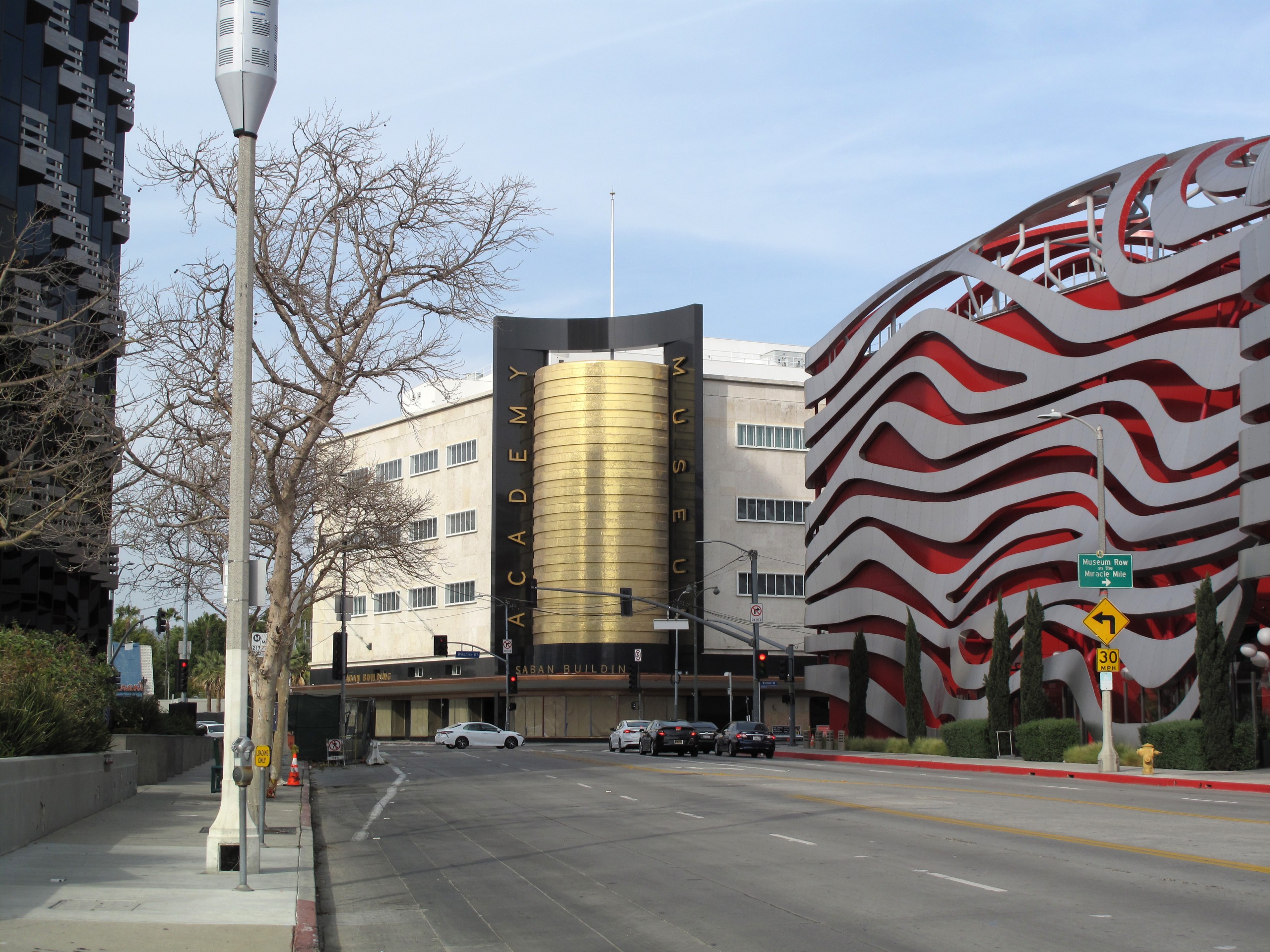
The corner of Wilshire and Fairfax today. Wallace was shot at this red light after leaving the Petersen Automotive Museum, the building at right. Photo: Downtowngal / Wikimedia Commons
The Detective and the Task Force
The investigation went cold, and the Wallace family sued the City of Los Angeles, arguing that LAPD officers had a hand in the killing. In July 2006, with those civil lawsuits hanging over it, the department reopened the case and built a multi-agency task force to work it with fresh eyes. Kading, a decorated detective who had spent years on gang and narcotics work, was put in charge. He ran the investigation for three years.
It did not end cleanly. In 2009, Kading was pulled off the task force over an internal affairs investigation into a separate matter. He was later exonerated, but by then the task force had been dismantled and the cases it was building were left unfinished. Kading retired from the LAPD and put the whole story in a book, Murder Rap: The Untold Story of the Biggie Smalls & Tupac Shakur Murder Investigations, self-published in 2011. His version of the investigation later became the backbone of the 2018 USA Network series Unsolved: The Murders of Tupac and The Notorious B.I.G., with Josh Duhamel playing Kading.
Kading’s Theory, Step by Step
Read this section for what it is: Kading’s account, built from informants inside Death Row’s orbit and from the cooperation of the woman he says carried the arrangement. It has never been presented to a jury.
The motive, in Kading’s telling, was revenge. Tupac had been killed in September 1996, and Kading says Marion “Suge” Knight, the head of Death Row Records, blamed the Bad Boy camp and wanted Wallace dead for it.
Knight himself was behind bars in early 1997, jailed on a probation violation. Kading says that in February 1997, Knight raised the idea with a girlfriend, a woman identified in Murder Rap by the alias “Theresa Swann.” According to Kading, Swann became the go-between, carrying messages and money between Knight and the man chosen to do the shooting.
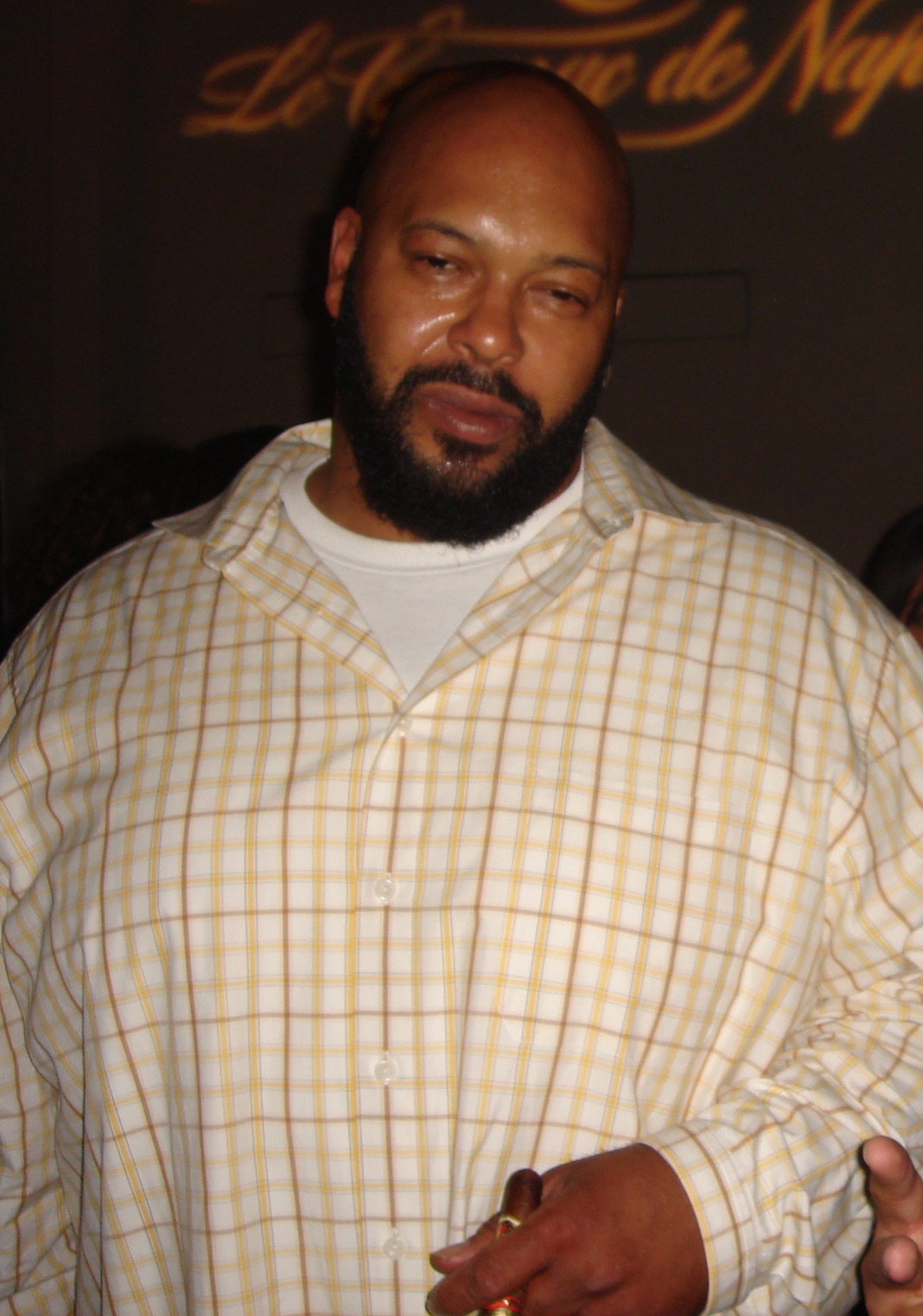
Suge Knight in 2007. Kading alleges Knight ordered the hit from jail. Knight has never been charged in this case and has denied involvement. Photo: Nick Leisure / Wikimedia Commons
That man, in Kading’s account, was Wardell “Poochie” Fouse, a Mob Piru Blood and Death Row associate. Kading says Fouse agreed to a price of $13,000, paid in two installments of $9,000 and $4,000. On the night of the party, Kading says, Fouse waited outside the Petersen in a Chevrolet Impala, worked out where Wallace was sitting, pulled alongside the Suburban at the light and fired.
The last piece, according to Kading, is Swann herself. He says she sat down with his task force in 2009 and laid out the arrangement. Fouse could never be asked about any of it. On July 24, 2003, Fouse was shot in the back while riding his motorcycle in Compton and killed. In the WABC clip, Kading calls that outcome justice, delivered the same way Fouse allegedly delivered it.
The Other Theory
Kading was not the first detective to say he had solved this. Russell Poole, the original lead detective in 1997, followed the evidence somewhere very different: inside the LAPD itself. Poole focused on David Mack, an LAPD officer who worked off-duty security for Death Row. Poole came to believe the shooter was Mack’s associate Amir Muhammad, born Harry Billups, a mortgage broker whose face resembled the police composite sketch of the gunman.
Poole said his superiors ordered him off the Mack line of inquiry, and he resigned from the department in 1999. His account became Randall Sullivan’s 2002 book LAbyrinth and, years later, the film City of Lies, with Johnny Depp playing Poole. The Wallace family’s civil lawsuit was built largely on Poole’s evidence.
That theory never held together in the open. The witness identification behind the Muhammad claim fell apart, no officer was ever charged in the murder, and the family’s suit never produced a judgment against the city. Mack went to prison for an unrelated bank robbery, not for this. Kading’s task force went back through Poole’s files and rejected his conclusion, and Kading has spent years arguing the two theories cannot both be true, and that his is the one the evidence supports.
Why Nobody Was Ever Charged
Kading’s own answer starts with the calendar. By the time his task force pulled the threads together, the man he names as the shooter had been dead for years. What remained was an account carried largely by an insider witness whose statements came through cooperation, and prosecutors do not rush to build a murder case on that kind of testimony alone. Then, in 2009, the task force itself was dismantled before its work was finished.
Kading has been blunt about the endgame for years. He has said he does not believe there will ever be a criminal prosecution in either the Wallace or the Shakur case. The files can point where they point. A courtroom is a different standard, and he knows it.
Knight, for his part, has never been charged in Wallace’s murder or in Shakur’s, and he has denied involvement. He is in prison today for an unrelated case: a 28-year sentence after pleading no contest to voluntary manslaughter for the January 2015 hit-and-run in Compton that killed businessman Terry Carter. He is serving that sentence at RJ Donovan Correctional Facility in San Diego and is not eligible for parole until 2034.
The Bottom Line
So what is new in the WABC clip? In substance, nothing. The names, the money, the go-between, the dead shooter, all of it has been Kading’s public position since Murder Rap came out in 2011, and he was laying it out in interviews by 2012.
What has changed is the weather around the story. The Tupac side of this saga finally reached a courtroom this year, when a Las Vegas jury convicted Duane “Keefe D” Davis in Shakur’s murder, the same Davis whose own recorded statements to Kading’s task force helped build that case. Davis was sentenced in October to 40 years to life. That verdict put the other case, the one with no defendant and no trial date, back in front of everybody. Kading has been doing the interview rounds since, and the WABC clip is the latest stop.
Two detectives worked this case and walked away with two different answers. The official answer is still the one from 1997: unsolved. Kading’s confidence is genuine, and his file is thick, but a detective’s theory is not a verdict, and until a prosecutor files a charge and a jury hears the evidence, that is where the record stays.
Editorial disclaimer: This article reports on allegations made by former LAPD detective Greg Kading in his book Murder Rap and in interviews, and on the competing account of former detective Russell Poole. These are allegations and theories, not findings of any court. No one has ever been charged in the murder of Christopher Wallace, and the case remains officially unsolved. Marion “Suge” Knight has never been charged in connection with this case and has denied involvement.
Photos and video of the public figures featured in this post are credited to the sources named with each image. The Green Social does not claim ownership of third-party media, which remains the property of its respective owners.
#NotoriousBIG #Biggie #HipHop



Leave a Reply
Want to join the discussion?Feel free to contribute!