
Three Weeks to Dec. 11: What the Hemp Guardrails Act Would Actually Change
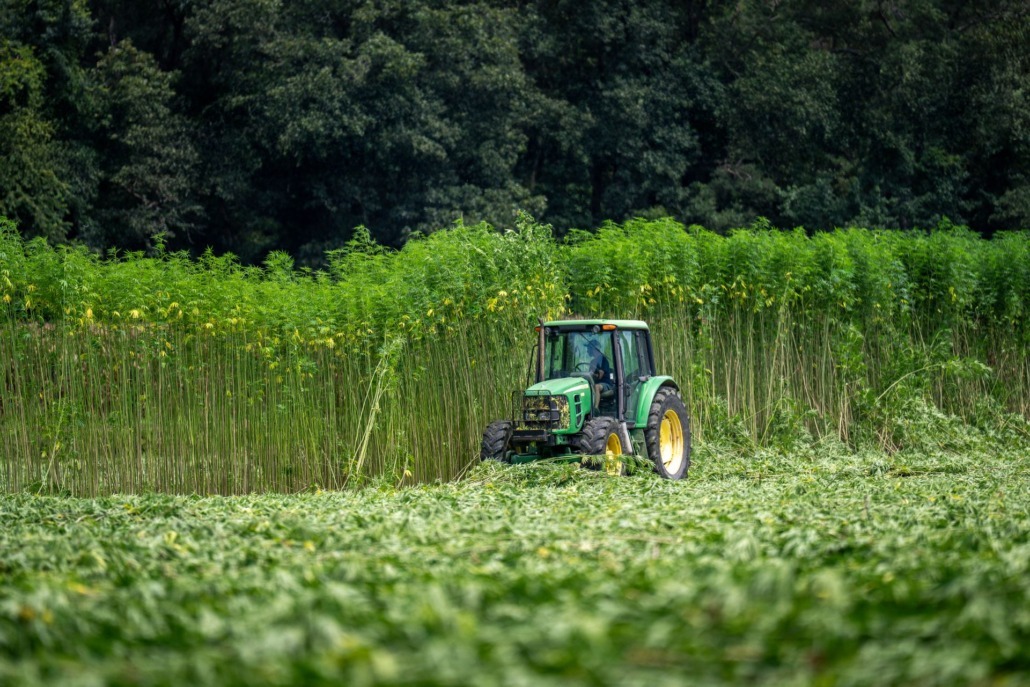
The hemp industry has about three weeks to find out whether it still exists in its current form. On Tuesday, Nov. 17, Sen. Tim Sheehy, a Republican from Montana, and Sen. Amy Klobuchar, a Democrat from Minnesota, introduced the Hemp Guardrails Act, a bipartisan bill written as an alternative to the federal ban on most intoxicating hemp products that is set to take effect Dec. 11. The bill has only been introduced. It has not passed the Senate, it has not passed the House, and nobody should read it as a done deal. But if nothing changes in the law between now and Dec. 11, most of the hemp drinks, gummies, and vapes sold in states without legal marijuana become federally illegal almost overnight.
Here is what is bearing down on the industry. Legislation signed last year redefined hemp so that only products with 0.4 milligrams of total THC per container would remain legal. That change was supposed to bite on Nov. 12, but a separate funding bill signed in September pushed the effective date for most products back to Dec. 11, specifically to give lawmakers more time to write regulations. One piece has already landed: synthetic cannabinoids that cannot be produced naturally by the plant were recriminalized on Nov. 12. So the deadline is real, it is close, and part of it is already in effect.
What would the Guardrails Act change? Start with the plant itself. The bill raises the legal threshold for hemp to 1 percent total THC by dry weight, up from the current standard, with an exception that lets in-process materials run above that line. It sets a hard age floor of 21 to possess and consume hemp cannabinoid products. It requires legal products to be grown, processed, and packaged inside the United States. And it tries to settle the state-by-state patchwork in a specific way: states could still write stricter rules of their own, but they could not block the interstate transportation of products that comply with the federal standard.

The bill is not a free-for-all, and this is the part that gets lost in the shouting. It creates a new category of prohibited cannabinoids that includes delta-8 THC, delta-10 THC, and THC-O, and it restricts manufacturing or synthesizing those compounds outside the hemp plant. Raw floral material, smokable hemp flower, and hemp pre-rolls would be barred from interstate commerce entirely. Conversions involving CBD, delta-9 THC, and other natural hemp compounds would still be allowed, but only when the end product is naturally occurring. In other words, the bill draws a line between low-dose, naturally derived products and the synthetic, high-potency stuff that built the “gas station weed” reputation. One side of that line survives. The other side does not.
The regulatory piece matters just as much. The bill sets up categories for hemp-derived products and supplements under the Federal Food, Drug, and Cosmetic Act, and it directs the Food and Drug Administration to write rules for packaging, labeling, manufacturing, testing, registration, and recalls within 180 days. That is the part the industry has been asking for, in some form, since the 2018 Farm Bill legalized hemp derivatives under 0.3 percent delta-9 THC and left the marketplace to police itself. Certain industrial products without cannabinoids, like seed, seed oil, and hempseed protein, would be treated as food additives under existing safety requirements.
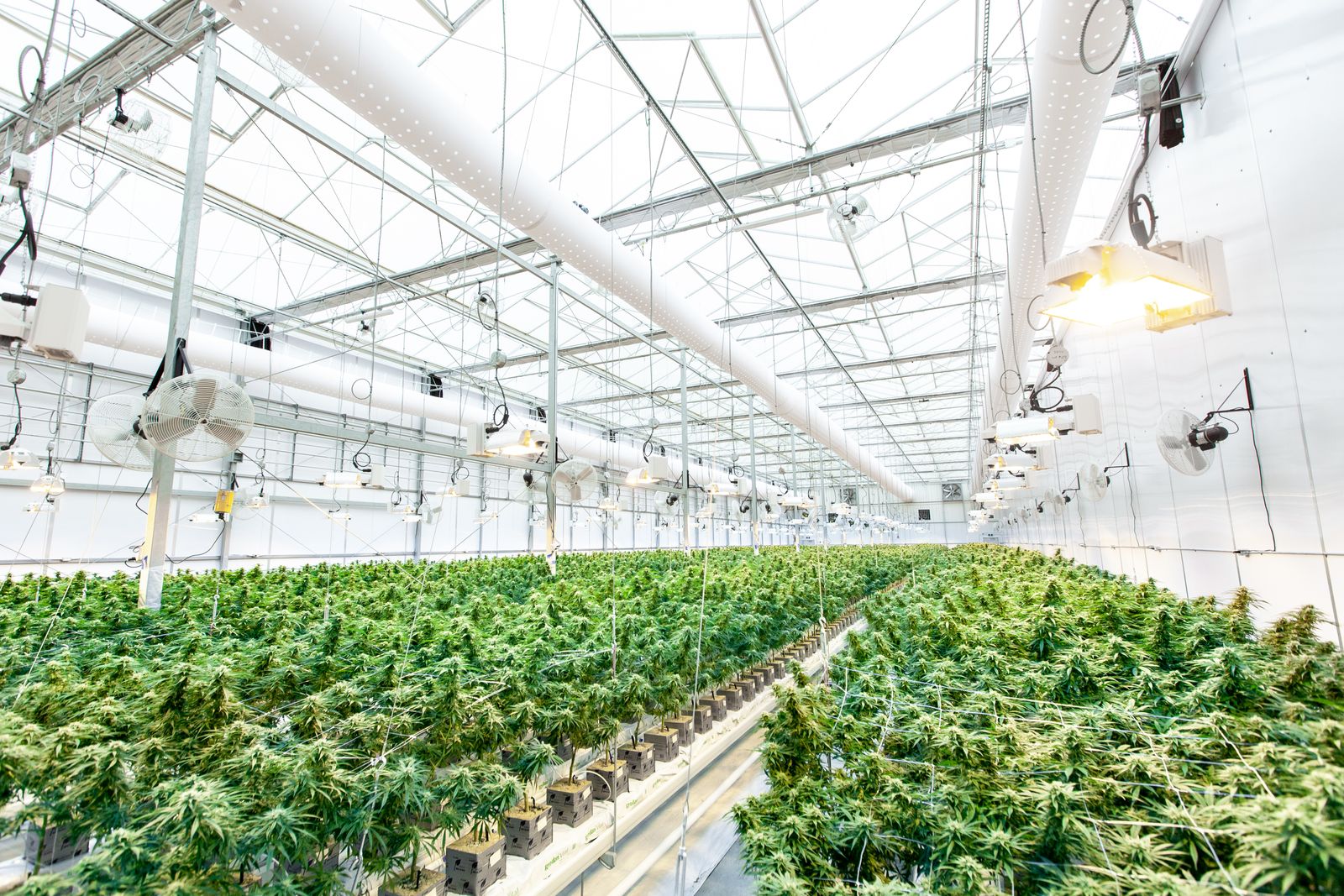
The politics are already moving. Sheehy framed the bill as a commonsense crackdown on bad actors, saying it would “stop Congress from turning the farmers, veterans, and cancer patients who rely on these products into criminals overnight.” Klobuchar called Minnesota a national leader in hemp and said the looming ban threatens farmers, brewers, small businesses, and consumers in her state and across the country. The U.S. Hemp Roundtable is publicly behind the bill, and veterans groups have been pressing Congress to keep these products legal. Sen. Ted Budd of North Carolina is already opposing it. The argument online is split the same way the argument in Congress is split: one side sees a last-minute lifeline for farmers, veterans, and small shops, and the other side sees a bill that would keep too many intoxicating products on the market.
Which brings us to the part that may decide everything. Dec. 11 is not just the hemp deadline. It is also a federal funding deadline, and supporters of the bill say the most realistic path is attaching its language to a government spending bill that has to pass anyway. Rep. James Comer of Kentucky, who chairs the House Oversight Committee, put it plainly: “The best opportunity, in my opinion, is to get this on a bill that is going to pass.” Industry advocates say the same thing, that they want the Guardrails provisions included in the next spending bill or continuing resolution. A standalone bill moving through both chambers in three weeks is a tall order. A few pages tucked into a must-pass funding package is how Washington usually settles fights like this.
So the next three weeks come down to two deadlines landing on the same day. If the Guardrails language, or something like it, rides the spending bill, the industry gets age limits, testing rules, and a legal market with edges. If it does not, the Dec. 11 ban takes effect and the products disappear first, with the legal arguments happening after. We will be watching which way it breaks.
Editorial disclaimer: This post is editorial coverage from The Green Social. The views expressed are our own, and the facts are as reported by the sources cited, including Marijuana Moment’s reporting on the Hemp Guardrails Act. The bill discussed here has been introduced in Congress and has not been passed into law.
#Hemp #CannabisNews #HempIndustry





Leave a Reply
Want to join the discussion?Feel free to contribute!