
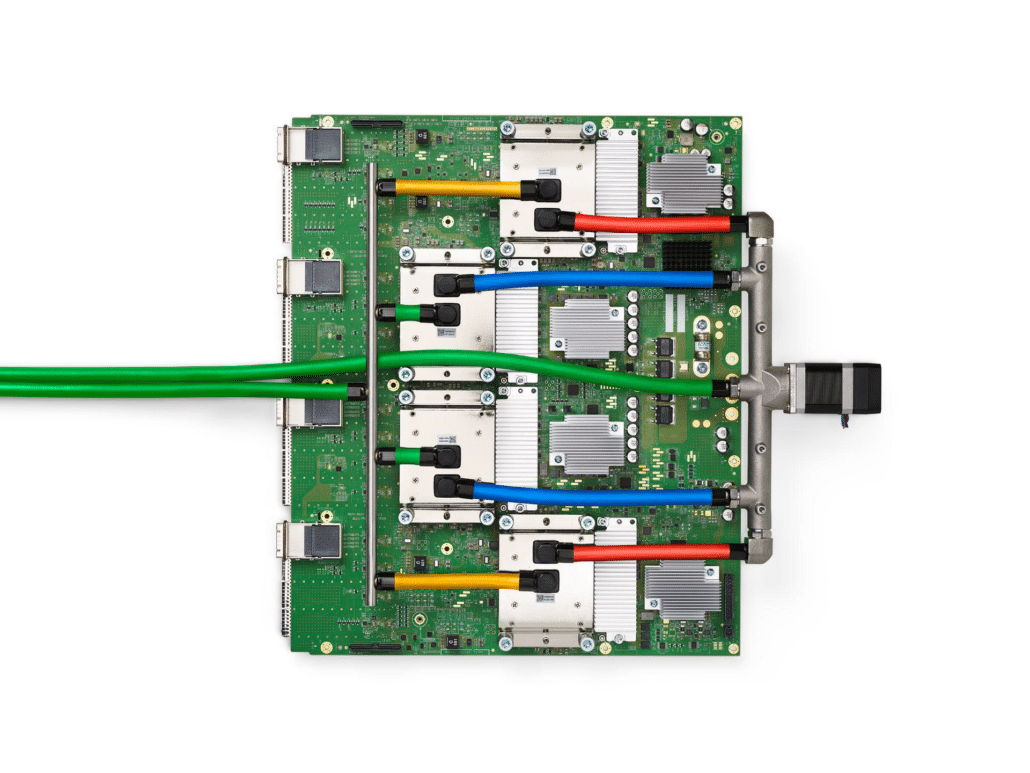
Nvidia’s Moat Was the Software. The Software Is Cracking.
Last week we covered Jensen Huang walking out of Nvidia after 33 years. This week the bigger story is the wall he built. Nvidia’s grip on AI was never just about chips. It is CUDA, the software layer, nearly two decades old, that almost every AI model is written to run on. Leaving Nvidia meant rewriting that code by hand, months of engineering before a single model moved. In the last month, two separate developments have gone straight at that wall.
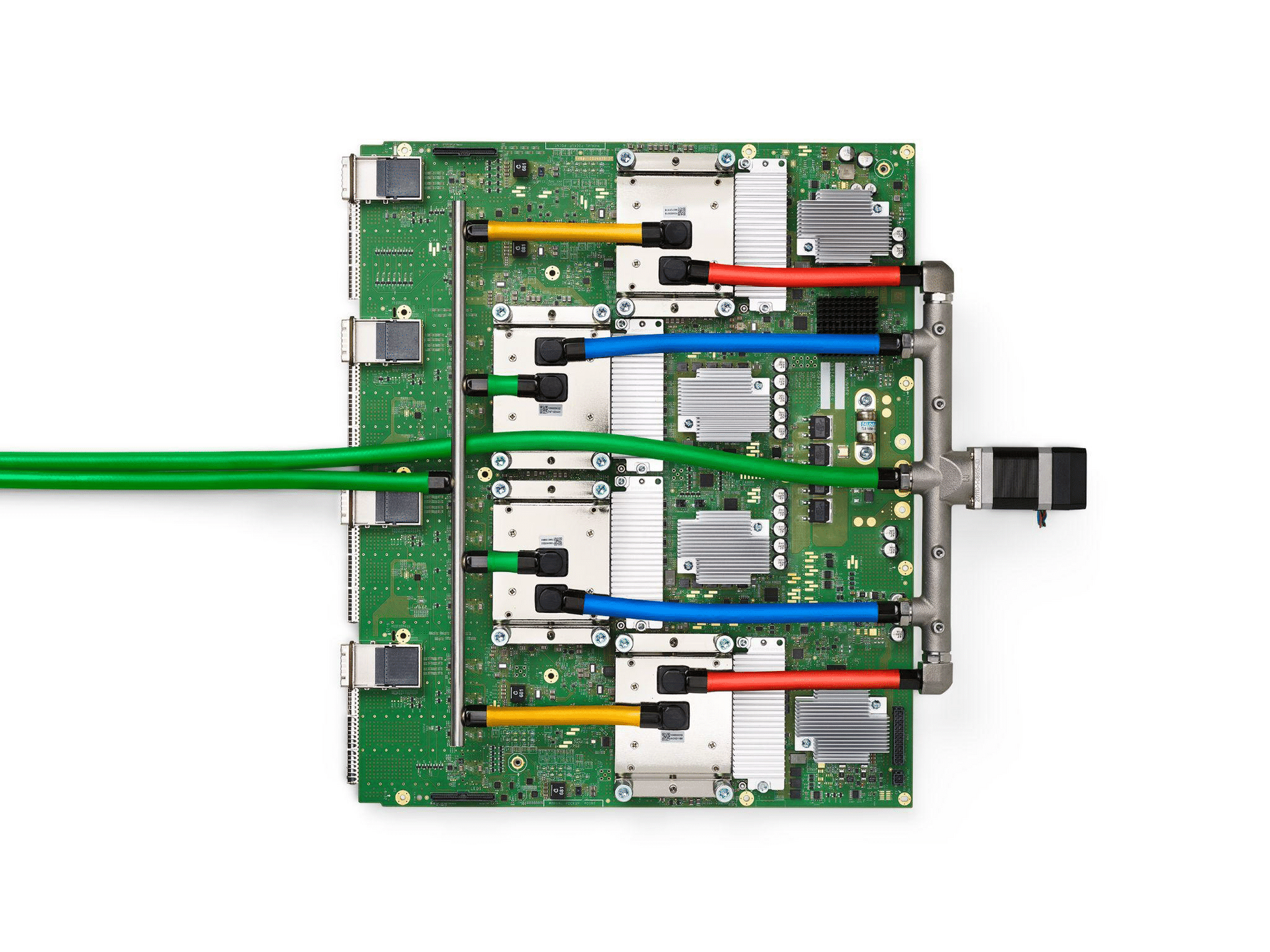
The first came from Google. On Oct. 20, at the PyTorch Conference in San Jose, Google open-sourced TorchTPU, a software layer built with Meta’s PyTorch team that makes Google’s Tensor Processing Units show up inside PyTorch as a regular device. PyTorch is the framework most AI developers already work in, and Google says existing PyTorch workflows now run on TPUs with “minimal code changes.” The old route to Google’s chips ran through Google’s own framework, JAX, and most teams decided the rewrite was not worth it. “The old objection was ‘rewrite it in JAX,'” Vadim Solovey, CEO of the cloud software firm DoiT, told The Information. “As of last month that is gone, on paper.” Google Cloud CEO Thomas Kurian told analysts on Alphabet’s Oct. 28 earnings call that the update “opens up a much larger market” for TPUs, and The Information called the release the biggest leap on the software side of Google’s chip business in years. Google also released a TPU Agent Suite in preview, tools meant to help developers move their work over and fix errors along the way.
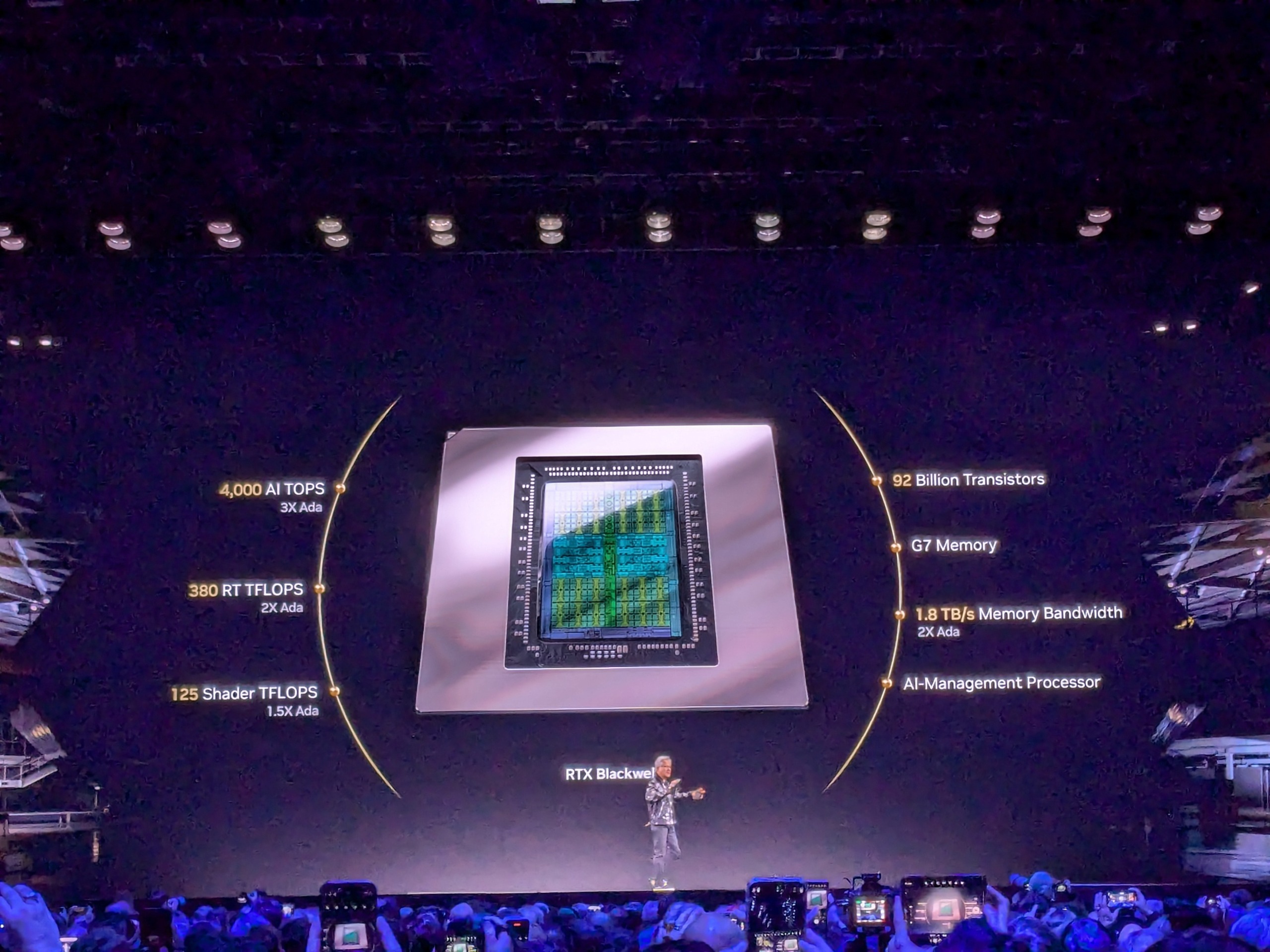
The second development came from Anthropic, and it is the one Wall Street kept quoting. In the IPO roadshow video Anthropic released on Nov. 10, co-founder and chief compute officer Tom Brown said the company’s Claude Mythos Preview model “got Claude running on AMD in just three days, with basically no human intervention,” and that the model ported or wrote almost 100 percent of the kernels. Kernels are the small, heavily tuned programs that do a model’s math on one specific chip, and they are exactly the code that used to chain a model to Nvidia. Brown said the same onboarding job used to take dozens of engineers six to 12 months. Tom’s Hardware reported the remarks on Nov. 16, and HSBC analysts flagged the line to clients during Nvidia’s earnings week.
Read the fine print before you repeat the headline, because Anthropic printed some. A footnote on Anthropic’s own slide limits the three days to bringing up prompt processing, the stage where a model reads its input, for one Anthropic model on AMD’s MI355X GPUs, at what the company calls a useful level of performance. The six to 12 month comparison is Anthropic’s own account of its past experience, the claim was made in a pitch to IPO investors, and nobody outside the company has independently verified it. Anthropic’s SEC prospectus, filed Nov. 12, makes the same point in quieter language, saying its teams “can now bring new chip platforms into production more quickly,” with no number attached.
Even discounted, the direction is hard to argue with. Anthropic now trains and runs Claude across four chip families, Amazon’s Trainium, Google’s TPUs, Nvidia’s GPUs and AMD’s GPUs, and it only started working with AMD’s chips this year. Its deal with Google gives it access to up to one million TPUs. When the software work of switching shrinks from months to days, the chip decision turns into a simple purchase decision: price, performance, availability. That is a very different business from the one Nvidia has owned, and it is landing at the exact moment Nvidia is adjusting to life after Huang and facing federal scrutiny of its export business.
None of this buries Nvidia. Its chips are still the standard everyone else gets measured against, and CUDA has a two-decade head start in tools and developer habits. But a moat only works while crossing it costs more than staying. Google just handed developers a bridge, and Anthropic says its own AI can now build the crossing in a weekend. Watch what the other big labs publish next. If a second company confirms a porting timeline measured in days, the three-day claim stops being a sales pitch and becomes the new going rate.
Editorial disclaimer: This post is news coverage based on publicly reported information. The three-day chip migration figure is Anthropic’s own claim, made in its IPO roadshow materials, and has not been independently verified.
#Nvidia #AI #Anthropic


Leave a Reply
Want to join the discussion?Feel free to contribute!