
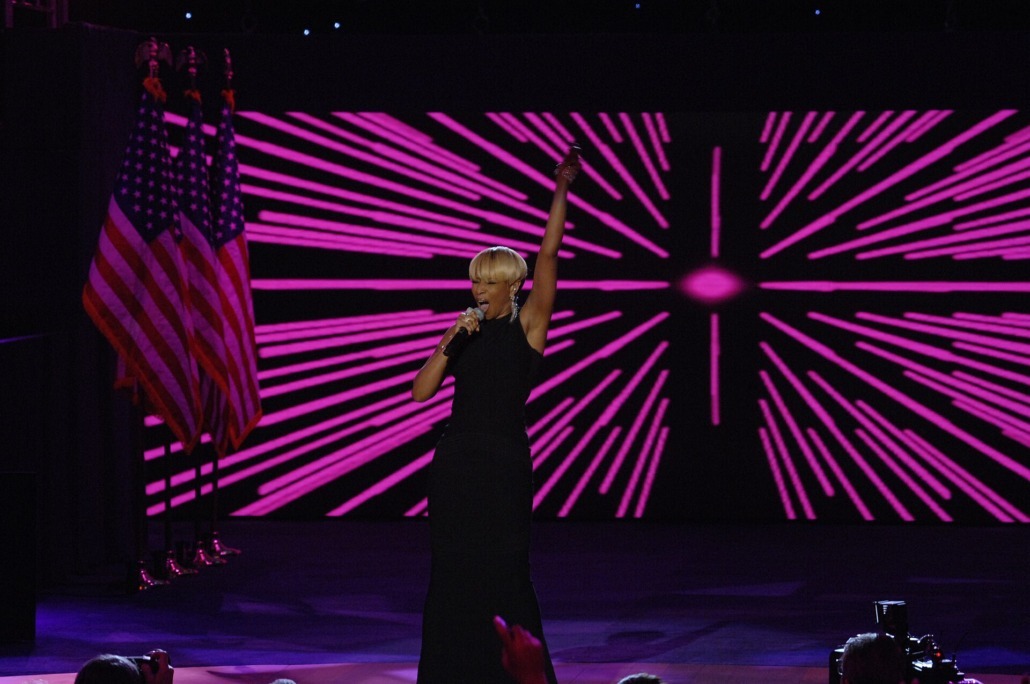
Mary J. Blige’s “Real Love” Wins Again: Appeals Court Upholds Dismissal of the Sampling Claim
“Real Love” has survived another courtroom test, and this time the decision came from a federal appeals court.
On Monday, November 23, the U.S. Court of Appeals for the Second Circuit in New York upheld a lower court decision throwing out the copyright case over Mary J. Blige’s 1992 hit. Tuff City Records, whose legal name is TufAmerica Inc., had claimed that the composition behind “Real Love” contained an uncleared sample of “Impeach the President,” the 1970s funk track by The Honey Drippers to which Tuff City holds the rights. The appeals court agreed with the district court that the two songs are not substantially similar, which in plain terms means an ordinary listener would not hear “Real Love” as having been taken from “Impeach the President.”
The chain at the center of the case is a short history of hip-hop sampling by itself. Tuff City alleged that “Real Love” took its drum sounds and the matching compositional elements from Audio Two’s 1987 track “Top Billin’,” which had itself taken them from “Impeach the President.” The court said that alleged chain, through Audio Two, did not plausibly show that “Real Love” copied protected elements of “Impeach the President” closely enough to infringe.
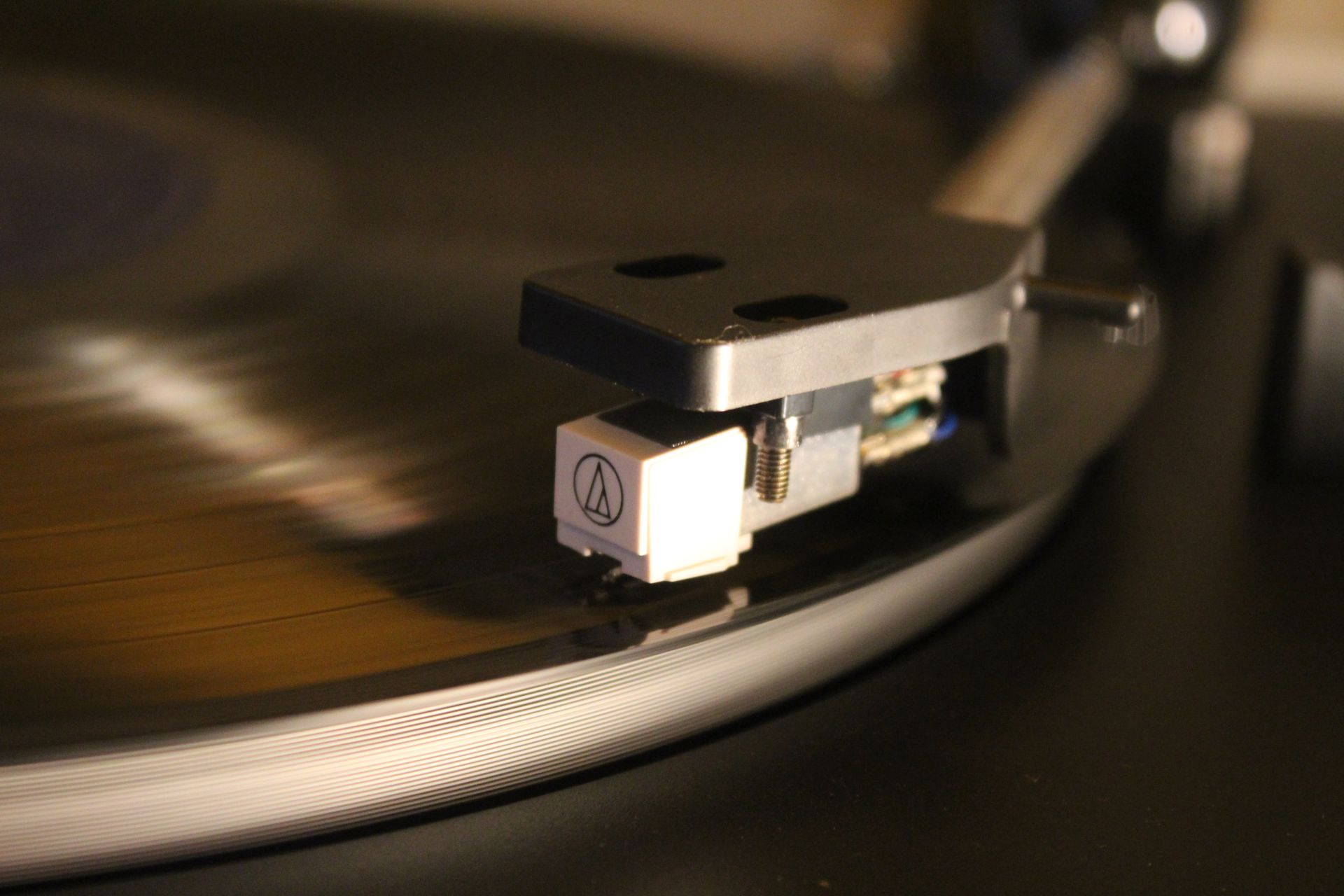
Photo: Stefan / Pexels
Read the ruling closely and the judges get specific, right down to the drums. While the two songs share certain percussive elements, the court wrote, other elements are notably different, such as open versus closed hi-hats and distinct snare and kick drum rhythms. Applying what the court called its good ears and common sense, the panel concluded the works as a whole are distinct. The songs differ in their lyrics, melody, genre, subject matter, and overall sound. As the district court put it, “Impeach the President” is a protest song from the 1970s that fits squarely within the soul and funk genre, while “Real Love” is a hip-hop soul song about heartbreak, not politics. One is sung by a male group with call and response, horns, and guitars. The other is sung by a woman and driven by piano and percussion.
There are two limits on this win that matter for anyone who makes or clears records. First, this case was about the composition, the song as written, not the sound recording. Tuff City claimed infringement only of its copyright in the “Impeach the President” composition, and the court expressed no view on whether the two kinds of copyright offer the same scope of protection. Second, the Second Circuit issued its decision as a summary order, which the court notes does not have precedential effect, so it does not set a binding rule for future cases. The court also assumed, as the district court had, that copying had occurred, and decided the case on whether the songs sound alike enough to infringe. Similarity in some rhythmic elements alone, the court said, is legally insufficient, quoting its 2024 ruling in the dispute over Ed Sheeran’s “Thinking Out Loud” and Marvin Gaye’s “Let’s Get It On.” Basic musical building blocks like notes, rhythms, and chords, the court noted, are generally not copyrightable.
The timeline shows how long this fight ran. Tuff City filed the complaint in April 2024. U.S. District Judge Dale Ho dismissed the case in New York federal court on September 23, 2025, and barred Tuff City from refiling it, writing that the songs do not sound the same and that a lay listener would not recognize “Real Love” as having been appropriated from “Impeach the President.” The Second Circuit also upheld Judge Ho’s refusal to let Tuff City file a further revised version of the lawsuit. Blige herself was not a party to the lawsuit, and the ruling leaves the 2025 dismissal in place, so Universal faces no damages payout over the “Real Love” composition. Reporting on the decision said Tuff City’s attorney called the result very disappointing and said the label would seek further judicial review. That next step, if it comes, is the label’s to file.

Photo: Carol M. Highsmith / Wikimedia Commons (public domain)
For working artists and producers, the takeaway is narrower than the headline. This ruling does not say samples never need clearing, and it does not settle the law for the next case. It says that, on these two compositions, shared percussive elements were not enough when everything else about the songs, the lyrics, the melody, the genre, the subject, and the overall sound, pointed in different directions. “Real Love,” which appeared on Blige’s debut album What’s the 411? and reached No. 7 on the Billboard Hot 100, keeps playing, and for now the composition claim against it is closed at the appeals court.
Editorial disclaimer: This post is news coverage based on publicly reported information about a court ruling, including the Second Circuit summary order as reported by Music Business Worldwide and Billboard reporting carried by other outlets. Charges and claims described in the original lawsuit are allegations that the courts addressed as stated above.
Photos and video of the public figures featured in this post are credited to the sources named with each image. The Green Social does not claim ownership of third-party media, which remains the property of its respective owners.
#MaryJBlige #RealLove #MusicLaw


Leave a Reply
Want to join the discussion?Feel free to contribute!