
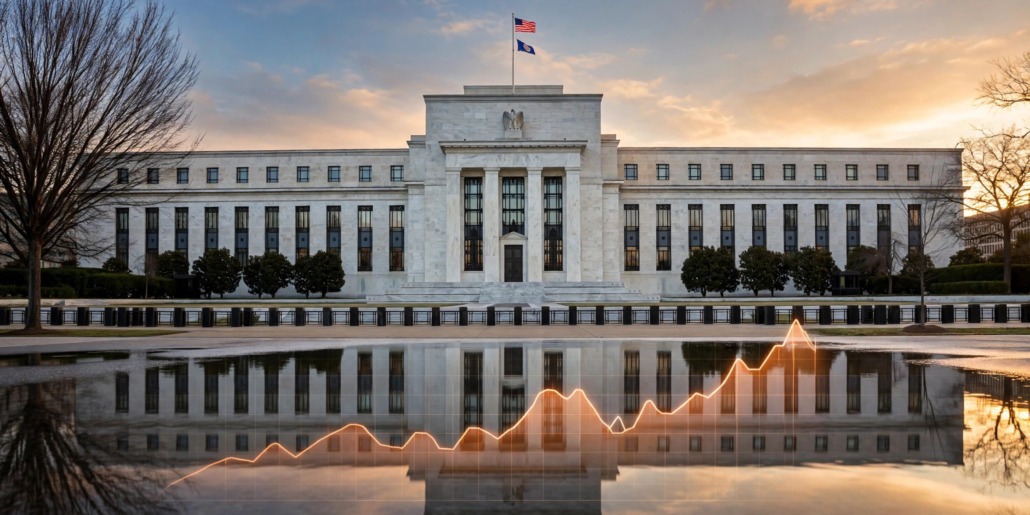
Inflation Rose to 3.8% and Growth Hit 4.3%: Why a December Fed Rate Hike Now Looks Likely
Inflation moved the wrong way in October, and the economy grew a lot faster than first reported, a combination that all but locked in another Federal Reserve rate hike in December. The Personal Consumption Expenditures Price Index, the inflation gauge the Fed watches most closely, rose 3.8 percent from a year earlier in October, according to the Bureau of Economic Analysis data reported Wednesday by Reuters, Barron’s and CNN. Core PCE, which strips out food and energy, rose 3.3 percent from a year earlier, up from 3.1 percent in September and above the 3.2 percent economists expected.
What happened
Both headline and core PCE rose 0.3 percent for the month, Reuters reported. Headline inflation at 3.8 percent is close to double the Fed’s 2 percent target, and core PCE at 3.3 percent was the highest in nearly three years, according to reporting by Barron’s and other outlets covering the release. This was the last major inflation report before the Fed meets on December 8 and 9.
The same morning brought a second, separate report that made the picture harder, not easier. The Commerce Department revised third quarter growth up to a 4.3 percent annualized rate, from the 3.4 percent first estimate, CNN and Reuters reported. Consumer spending rose 0.3 percent in October and personal income rose 0.7 percent, according to Reuters. Initial jobless claims fell to 189,000 in the week ended November 21, a sign the job market is not cooling fast, according to multiple outlets reporting the Labor Department figures.
The Fed’s own Beige Book survey, also released Wednesday, described growth at a slight to moderate pace across most of the country, with inflation still sticky and employment levels rising, Reuters reported. The survey said businesses faced sustained cost pressure from energy, transportation, healthcare, insurance and tariff related expenses, and that many expected expenses and prices to keep rising in the coming months.

Image: Generated for The Green Social
Why it matters
A central bank usually cuts rates when growth slows and inflation cools. Wednesday’s data pointed the other way on both counts. Growth was revised sharply higher, and the inflation measure the Fed trusts most accelerated instead of easing. That is why markets moved so quickly to price in a hike.
Financial markets priced in a quarter percentage point rate hike at the December 8 to 9 meeting, from the current 3.75 to 4.00 percent range, with CME’s FedWatch tool showing about a 98 percent chance of that move, Reuters reported. Reuters also reported that markets expected another increase in January. Fed Governor Christopher Waller has signaled he could support a larger half point increase, according to Reuters, though the consensus expectation remains a quarter point.
None of that is a Fed decision yet. It is the market’s reading of the data the Fed just received. The next jobs report, due in early December, is the last big checkpoint before the meeting, and it could confirm or soften that expectation.
What it means for everyday money
For wages and jobs, the near term picture is mixed in a specific way. Growth at 4.3 percent and low jobless claims suggest employers are not pulling back sharply, which supports jobs. The cost is that strong demand is one of the reasons prices are still rising faster than the Fed wants, so the relief many households are waiting for at the checkout is arriving slowly.
For credit and housing, a December hike would keep pressure on borrowing costs. Credit card rates, auto loans and new mortgages tend to stay higher for longer when the Fed is raising, not cutting. Anyone planning a major purchase on credit should price the payment at today’s rates, not at a hoped for lower rate next month, and check the full cost over the life of the loan.

Image: Generated for The Green Social
For savings, higher rates are the other side of the same coin. Savings accounts and short term deposits have tended to pay more when policy rates are higher, though inflation at 3.8 percent still eats into what those earnings actually buy. Comparing what an account pays against current inflation is a simple, useful check that does not require predicting the Fed.
For small business owners, the Beige Book detail matters most. If suppliers, insurance and transport costs are still rising while customers push back on price increases, margins get squeezed from both sides, exactly as the Fed survey described. Reviewing contracts, insurance renewals and delivery costs before the December meeting is practical preparation, not a prediction.
Featured image: Image: Generated for The Green Social
Editorial & Reporting Disclaimer
The Green Social is an independent media and commentary publication, not a wire service or a court of record. News and media posts are based on publicly available information and reporting by the sources named in the post at the time of publication. Facts that could not be independently verified are identified as reported or unverified, or are omitted. Quotations are attributed to their stated sources; a quotation’s inclusion means it was reported, not that The Green Social endorses it.
Analysis and opinion in this post are the author’s own and are labelled as such; they are not statements of fact. Events, statements, and coverage may develop after publication — material updates and corrections will be noted on this post.
If you are a person or organisation discussed in this post and believe any statement is inaccurate or incomplete, or you wish to provide a response for publication, contact us through the Contact page on thegreensocial.com. Verified corrections and substantive responses are added promptly. Nothing in this post is legal, financial, or professional advice.
Educational Disclaimer: Content about investing, credit, retirement, annuities, and personal finance on The Green Social is for general education and information only. It is not financial, investment, tax, or legal advice, and it is not a recommendation to buy, sell, or hold any product or security. Everyone’s situation is different; speak with a licensed financial, tax, or legal professional about your own circumstances before making a decision.
#Inflation #FederalReserve #InterestRates






Leave a Reply
Want to join the discussion?Feel free to contribute!