
Your Eighth Got Cheaper. Here’s Who’s Paying for It.
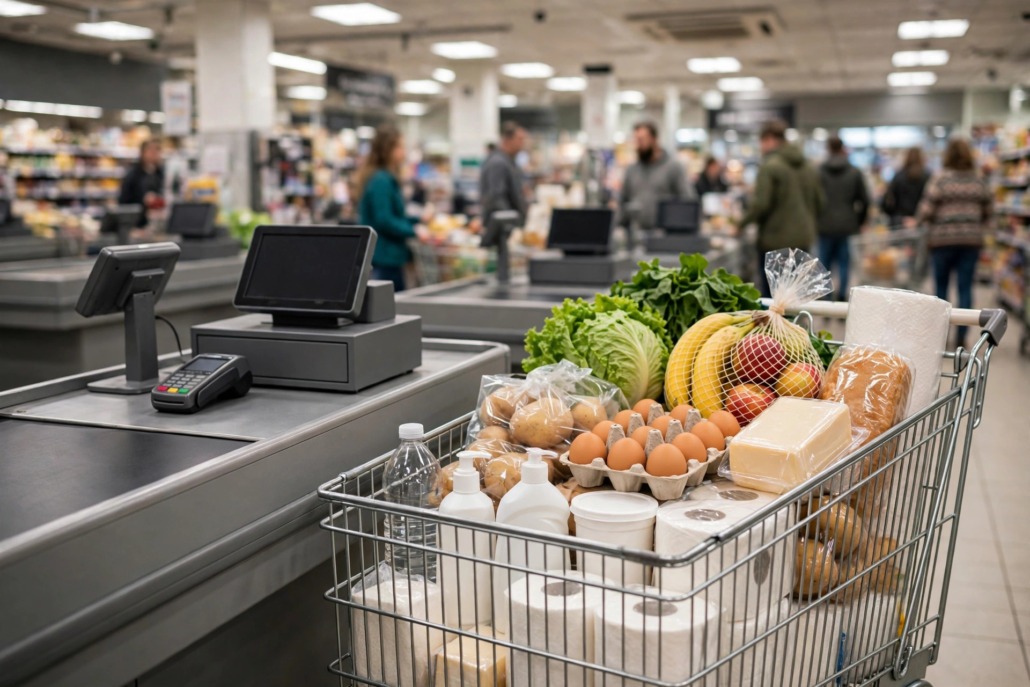
Almost everything on the Thanksgiving table costs more this year. Travel costs more. Food costs more. The wine you bring to dinner costs more. One thing is going the other direction, and NPR went to a Baltimore dispensary this week to watch it happen: weed keeps getting cheaper.
The days before Thanksgiving have a name in the industry, “Green Week,” and its peak, “Green Wednesday,” now rivals 4/20 as the biggest sales and foot traffic moment of the year for dispensaries. At The Forest, a dispensary in Baltimore, NPR found the holiday in full swing: screens flashing 25% off edibles and 30% off for medical patients, an extra $5 off for bringing in cans of food for the store’s holiday drive, and customers stocking up on gummies, THC drinks and pre-rolls for the cousin walk.
Great week to be a customer. The problem is what weeks like this one have done to the rest of the year.
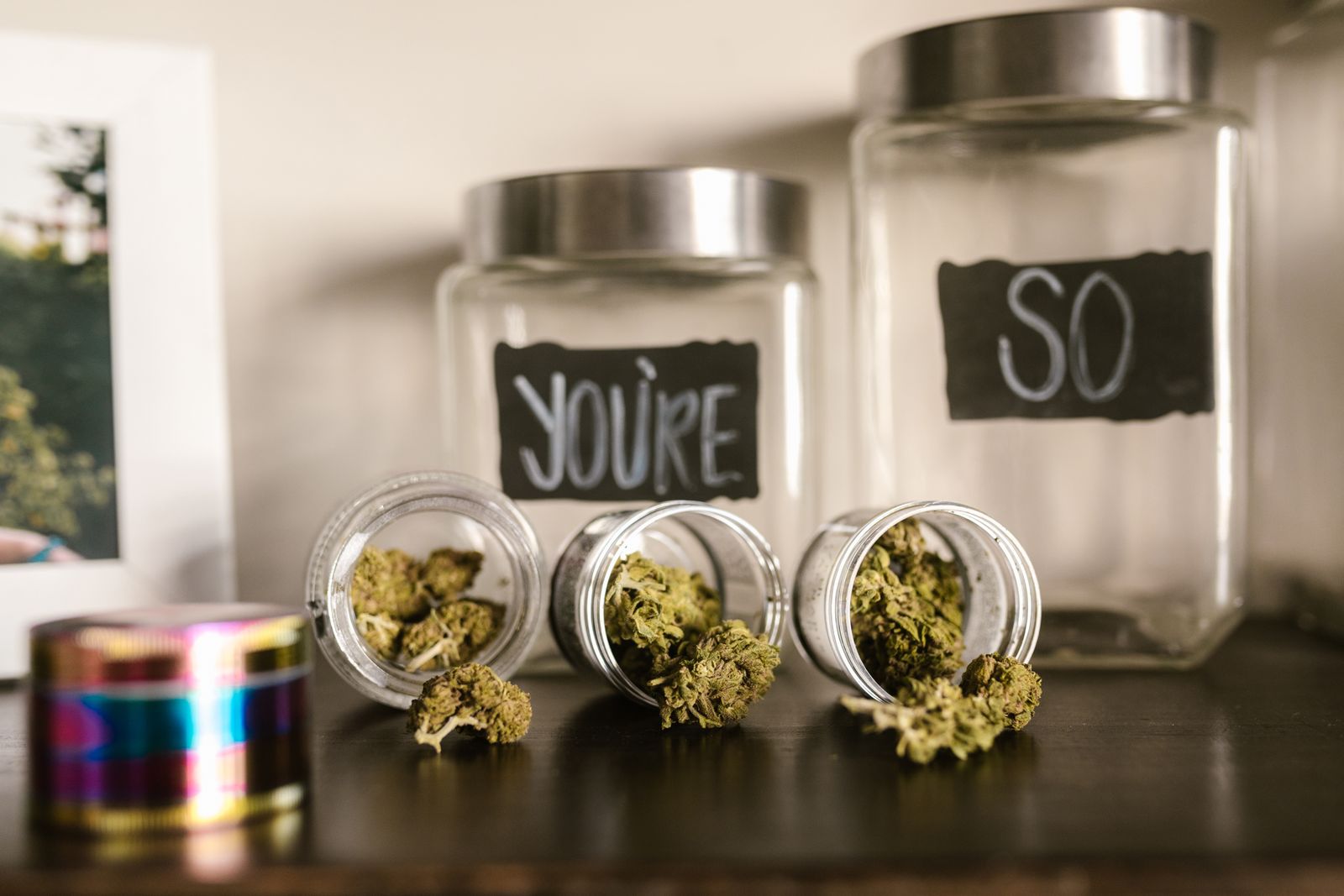
Photo: RDNE Stock project / Pexels
Cannabis is a $30 billion industry in the United States, with legal marketplaces in 24 states and Washington, D.C., according to Whitney Economics, the research firm NPR cited. But in 2025, revenue fell across the industry, the first decline since 2014, when Colorado and Washington became the first states to sell recreational cannabis. The cause, per Whitney Economics: an oversupply of product, declining prices, and a discount culture that retailers built themselves and now cannot escape.
“It’s forced a race to the bottom,” said Beau Whitney, the firm’s founder and chief economist. “What this is resulting in is great prices for the consumer, they’re spending less and getting the same or more, so that’s good for them on an affordability perspective. But it’s hurting operators.”
Here is the part that should worry every shop owner. The discounts stopped working the way they used to. Through the early 2020s, Whitney explained, customers walked in with a set cannabis budget, and if they got a deal, they spent the savings on more product and hit the same total. Starting in 2024, as inflation pushed up the cost of gas and groceries, that behavior flipped. Now customers take the discount and spend what they saved on essentials. They buy less, the store collects less, and the store still has to run the next sale to get them back in the door, because with a customer pool that has not grown rapidly in years, discounts are how legal shops compete with each other.
There are signs of a floor. Sales are up about 5% this year over the same period last year, Whitney’s team found. But forecasts for the end of 2026 and the outlook for 2027 remain modest, and modest does not rescue a business model built on permanent markdowns.
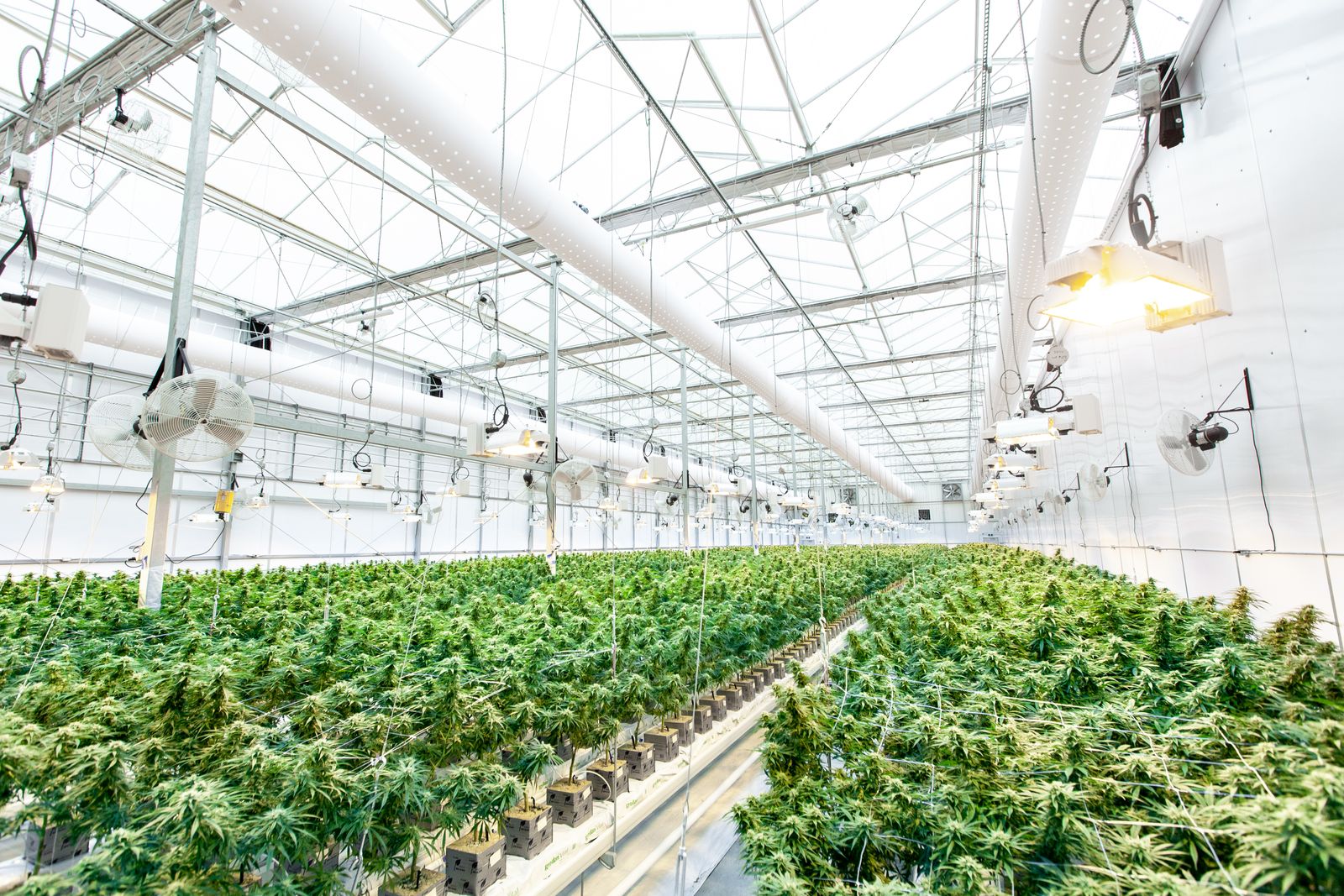
Photo: Richard T / Pexels
So who pays for your cheaper eighth? Start with the operators, whose margins absorb every doorbuster. Then the growers, sitting on the oversupply that started the slide. Then the workers inside the stores running the busiest week of the year on a business model that gets thinner every time it succeeds. The consumer is winning this one, honestly and completely. Just do not mistake a great Green Wednesday for a healthy industry. The sale is the symptom.
Sources: NPR, “In a time of rising costs, one Thanksgiving commodity is cheaper: cannabis,” by Marissa J. Lang, November 25, 2026, including Whitney Economics industry data as reported by NPR.
Editorial disclaimer: This post is news coverage and analysis based on reporting by NPR and industry data from Whitney Economics as cited by NPR. Prices and discounts described are those reported at one Baltimore dispensary during Thanksgiving week and are not a promise of pricing anywhere else. The views expressed are our own.
Photos and video of the public figures featured in this post are credited to the sources named with each image. The Green Social does not claim ownership of third-party media, which remains the property of its respective owners.
#CannabisNews #CannabisIndustry #GreenWednesday






Leave a Reply
Want to join the discussion?Feel free to contribute!