

“Cali” used to be a compliment on a dispensary shelf in California. In Europe, it is becoming a label in police evidence rooms.

“Cali” used to be a compliment on a dispensary shelf in California. In Europe, it is becoming a label in police evidence rooms.

Every legalization fight eventually turns into the same argument. One side says use will spike. The other side says it will not. Germany just gave us two years of data to check.
This study is not breaking news, and we are not going to frame it that way. It was published online in August 2026 in Biological Psychiatry, led by researchers at UNSW Sydney. It keeps resurfacing in weekend roundups because the numbers are striking, so it is worth slowing down and reading what it actually says.

Italy has not legalized recreational cannabis. Let us get that part straight before anything else. What happened this week is smaller, and in some ways more interesting. Two groups of opposition lawmakers filed amendments to the country’s 2027 budget bill that would legalize cannabis in two very different ways, and both proposals are now sitting in front of the Budget Committee of the Chamber of Deputies.

Some milestones are loud. This one is a number on a state health department page, and it still tells a real story.

There is a difference between what shoppers spend at a dispensary and what farmers actually take in. Canada just reported the farmer side of the ledger, and cannabis had a very big quarter.

If you only read the headline numbers, this one looks quiet. Marijuana did not move. Look closer and the real story is what the DEA left blank.

Four days. That is how close the industry came to a hard cutoff.

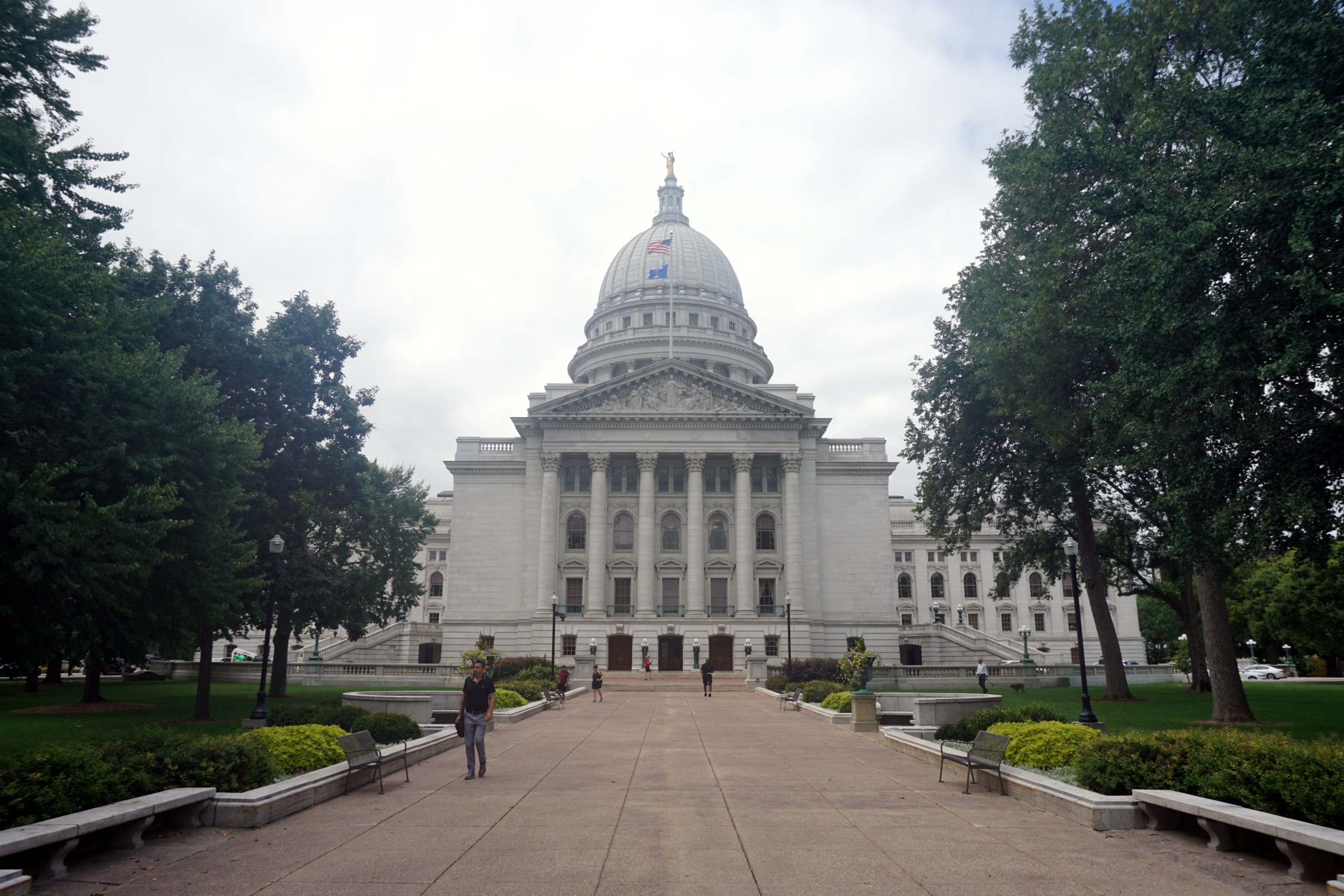
Photo: Michael Barera / Wikimedia Commons (CC BY-SA 4.0)
TGS has already told you Wisconsin flipped, and that its new leaders support legalization. So this post skips that story. What is new is a deadline, and a door opening on the other side of the aisle.
In interviews reported by Marijuana Moment in the last two days, the incoming Democratic leaders of both chambers were asked a specific question: will you legalize marijuana within your first year in the majority? Sen. Dianne Hesselbein, the incoming Senate majority leader, did not hedge. Definitely, she said. Without even hesitation, yes. Absolutely, we need to get that done. Rep. Greta Neubauer, the incoming Assembly speaker, answered the same way: yes, she wants legalization enacted during her first year as speaker.


Photo: Jim Evans / Wikimedia Commons (CC BY-SA 4.0)
A traffic stop from 2020 just changed what New York courts can do in 2026.
On November 23, the New York Court of Appeals, the state’s highest court, ruled 4 to 3 in People v. Martin that the legalization law’s search protections apply at suppression hearings held after the law took effect, even when the search itself happened before legalization. Writing for the majority, Judge Jenny Rivera held that Penal Law section 222.05(3) governs what a court may consider when it decides whether police had reasonable cause for a search.

