
Anba Lavil Puts Port-au-Prince in a Shooter, and Haiti Is Split on It
Photo: METISTWA / Steam
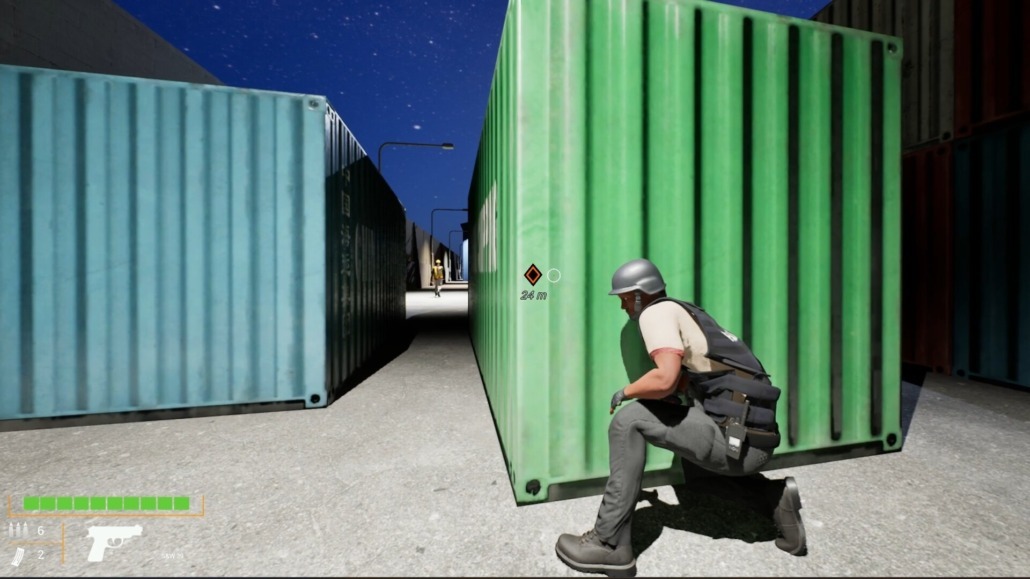
A Haitian developer is building a third-person shooter set in Port-au-Prince, and the first teaser has Haitians arguing about it in two directions at once. The game is called Anba Lavil, which in Haitian Creole means downtown. Some people see a milestone, a Haitian story told in a genre that almost never comes to Haiti. Others see a real and ongoing crisis turned into entertainment. Both reactions are loud, and both are worth hearing.
What the game is
Anba Lavil is a story-driven, third-person shooter in development by Mèt Istwa, who also works under the name METISTWA, with KESPAS Studio. Steam lists METISTWA as both developer and publisher. Haitian outlet Chokarella profiled the creator earlier this year and described the project as developed primarily by one person, working independently.
You play as Delta, a Haitian police officer working in a capital city shaped by armed gangs, corruption, and betrayal. The game’s Steam page promises intense shootouts, tactical encounters, and varied missions built around uncovering what is really happening in the streets. The teaser and gameplay clips show tactical movement through hallways and neighborhoods, stealth and investigative beats, and missions that involve hostage situations and kidnappings.
The first teaser dropped on November 6, 2026, and a post by the culture page Faces of Haiti the next day carried it to a much wider audience. That post has drawn more than 500 comments, and the comment section is where the real story sits.
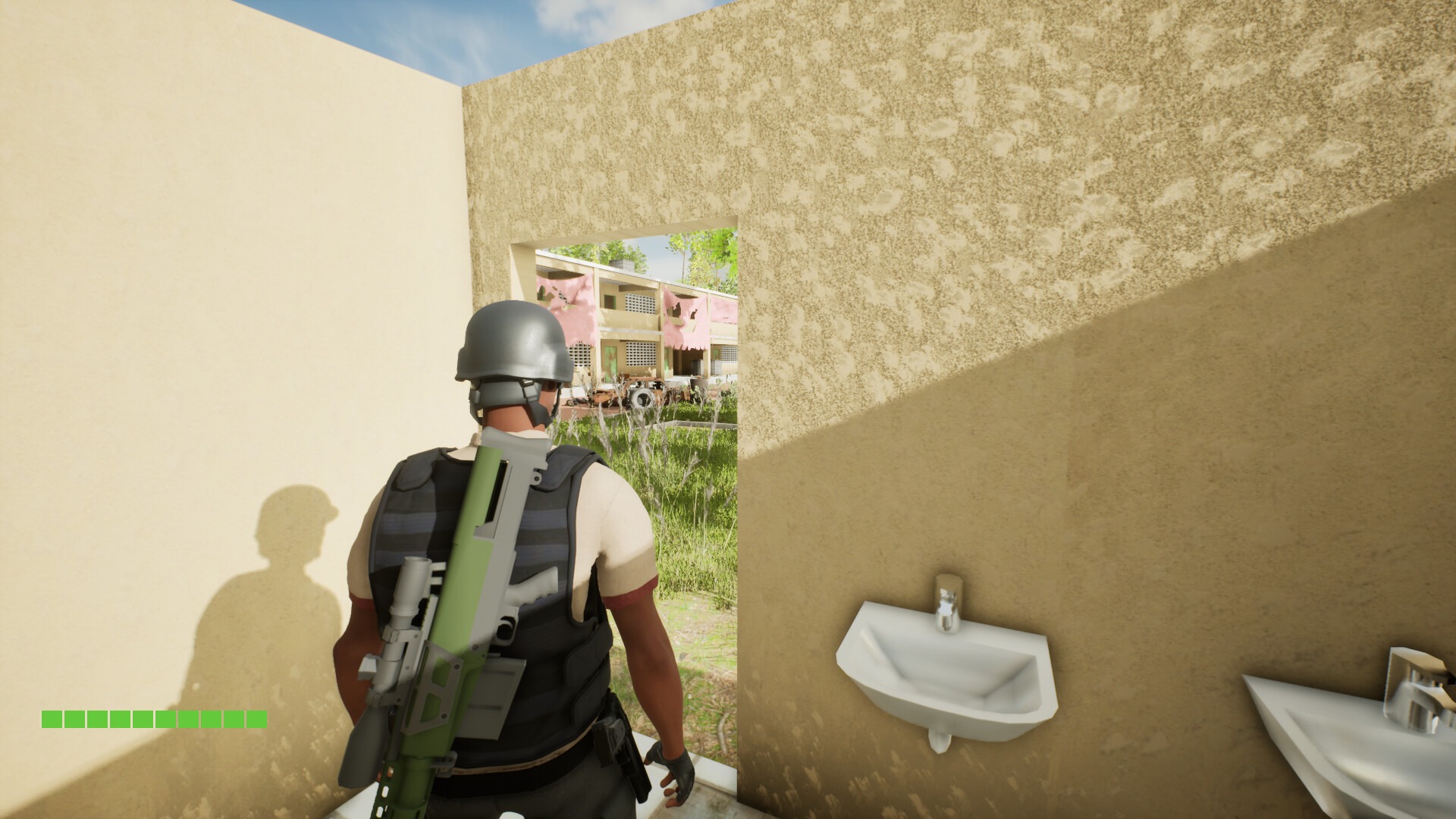
Photo: METISTWA / Steam
The pride side
A lot of the reaction is straightforward pride. Big-budget shooters are set in fictional cities or in the same handful of real ones, and Port-au-Prince is never on that list. Supporters point out that a small independent developer, working with a fraction of a major studio’s budget, has built a recognizable Port-au-Prince and put Creole voices in it. In the comment threads, people defend the early visuals on exactly those grounds and ask where they can wishlist the game. Haitian tech curators have already added Anba Lavil to their lists of games built by Haitian creators.
The pushback
The criticism is just as direct. Haiti’s gang crisis is not history. It is the present, and it has displaced families and taken lives, including people whose relatives are reading those same comment threads. Critics argue that a shooter built on kidnappings and gang violence risks turning real suffering into a backdrop, no matter who makes it. Some suggest the same talent could have told a different Haitian story, pointing to the Haitian Revolution as the kind of subject they would rather see in a game.
The game’s own Steam content description does not hide the weight of the material. It states plainly that the story involves child kidnapping, gang violence, and hostage situations. That honesty is part of the debate. Whether the finished game handles that material with care is a question nobody can answer until it is playable.
Why it lands now
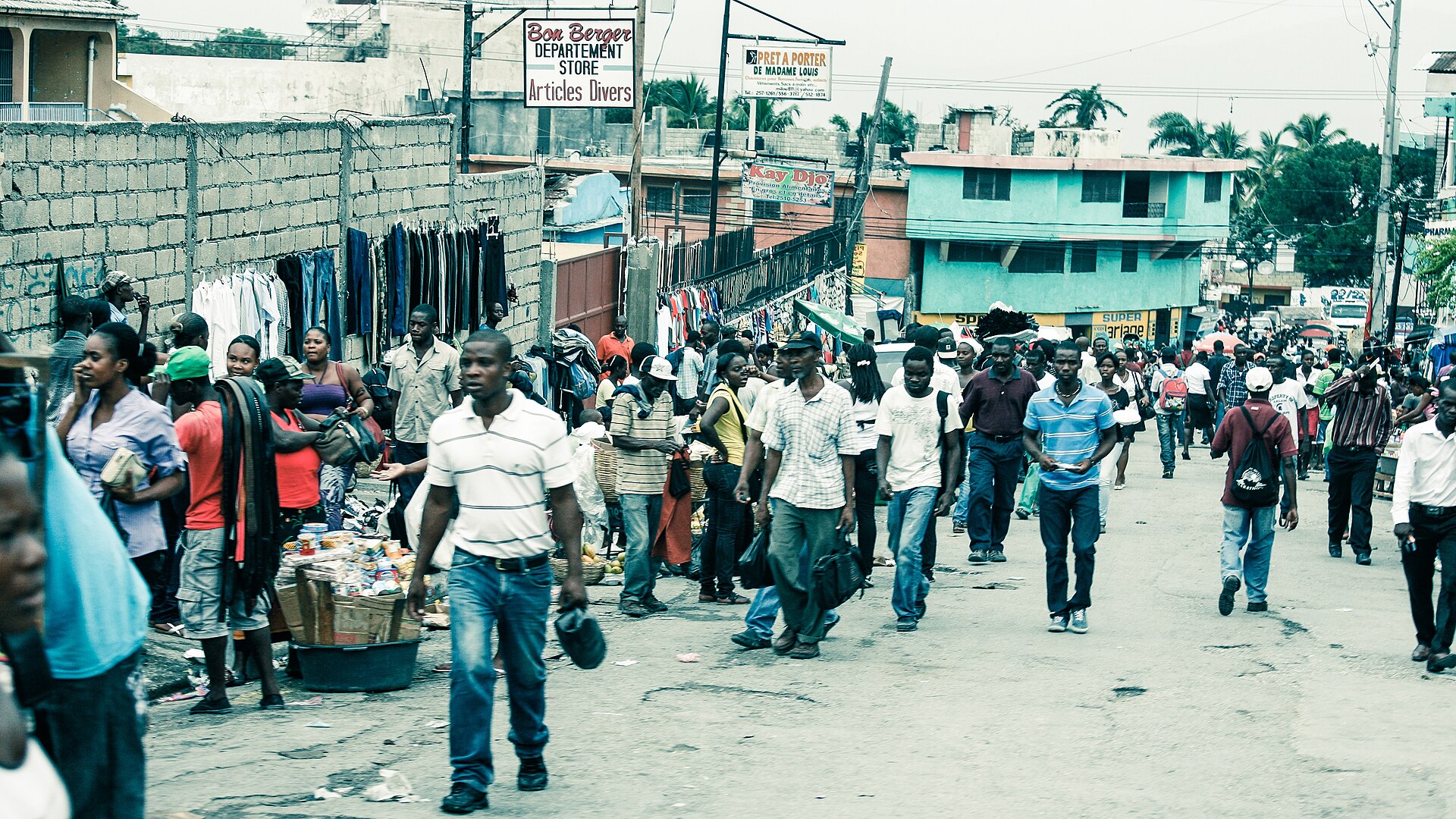
Photo: Alex Proimos / Wikimedia Commons (CC BY 2.0)
This conversation is arriving in the middle of a hard stretch of Haiti news, including the international security mission covered on this site this week. That timing cuts both ways. It makes the game harder to look at for some people, and it makes the argument for Haitians telling their own stories, in their own settings, stronger for others. A game made by an outside studio about Haiti’s crisis would face a very different reception, and most commenters seem to know it.
One more detail belongs in the open. The developer discloses on Steam that generative AI was used to create some of the game’s pre-rendered cutscenes and promotional artwork. For a tiny independent team that is a practical choice, and it has become its own talking point in the wider gaming world.
What we know, and what we do not
The game is listed on Steam for Windows PC as Coming Soon, and players can add it to a wishlist today. The Steam page has been live since August 2026 and was updated this month. There is no release date, no price, and no announced console version. Anyone claiming a launch window is guessing.
What happens next is worth watching. A release date will turn this from a teaser debate into a real test: whether a Haitian-made game, about the hardest subject in Haiti, can find its audience at home and in the diaspora. The Green Social will follow it.
Editorial & Reporting Disclaimer
The Green Social is an independent media and commentary publication, not a wire service or a court of record. News and media posts are based on publicly available information and reporting by the sources named in the post at the time of publication. Facts that could not be independently verified are identified as reported or unverified, or are omitted. Quotations are attributed to their stated sources; a quotation’s inclusion means it was reported, not that The Green Social endorses it.
Analysis and opinion in this post are the author’s own and are labelled as such; they are not statements of fact. Events, statements, and coverage may develop after publication. Material updates and corrections will be noted on this post.
If you are a person or organisation discussed in this post and believe any statement is inaccurate or incomplete, or you wish to provide a response for publication, contact us through the Contact page on thegreensocial.com. Verified corrections and substantive responses are added promptly. Nothing in this post is legal, financial, or professional advice.
Photos and video of the public figures featured in this post are credited to the sources named with each image. The Green Social does not claim ownership of third-party media, which remains the property of its respective owners.
#AnbaLavil #Haiti #IndieGame







Leave a Reply
Want to join the discussion?Feel free to contribute!