

Edibles Look Like Candy. Here’s How to Keep Them Away From Kids.
A gummy is a gummy to a five year old. That simple fact is behind one of the clearest safety stories in Georgia cannabis right now, and it deserves a straight answer instead of an argument about legalization.
The Atlanta Journal-Constitution reported this month that the Georgia Poison Center has handled more than 2,400 THC exposure cases since 2022 involving people from infancy through age 21, and that nearly half of those cases involved children under age 6. Most of the cases involved gummies, other edibles and THC drinks, according to that reporting, and some young children ended up in critical care.
That updated count lines up with what Georgia officials were already saying in public. At a September legislative hearing, Georgia Poison Center executive director Gaylord Lopez testified that his agency had received 1,900 calls since 2022 about children eating hemp edible products, many of them ending up in a hospital emergency room, according to Capitol Beat News Service. In other words, the number was already large last fall, and the newer reporting shows it kept growing.
The Georgia Composite Medical Board is part of the state response. Board minutes from July 9, 2026 record that the board held an initial meeting with multiple agencies to address the growing concern over pediatric exposures to over the counter cannabinoid products. Prevention is now a multi-agency conversation in Georgia, not just a warning on a package.

Photo: Chuck Koehler / Wikimedia Commons
Why Edibles Hit Kids Differently
An adult chooses a dose and waits for it. A small child finds something that looks and tastes like candy and keeps eating. The product was not made for their body weight, they have no way to judge how much they took, and by the time anyone notices, the full dose is already in.
That is why this story is not really about whether adults should have access. It is about where the product sits once it comes home.
How to Store Edibles Safely at Home
These steps come from the Centers for Disease Control and Prevention and state health guidance on cannabis poisoning prevention.
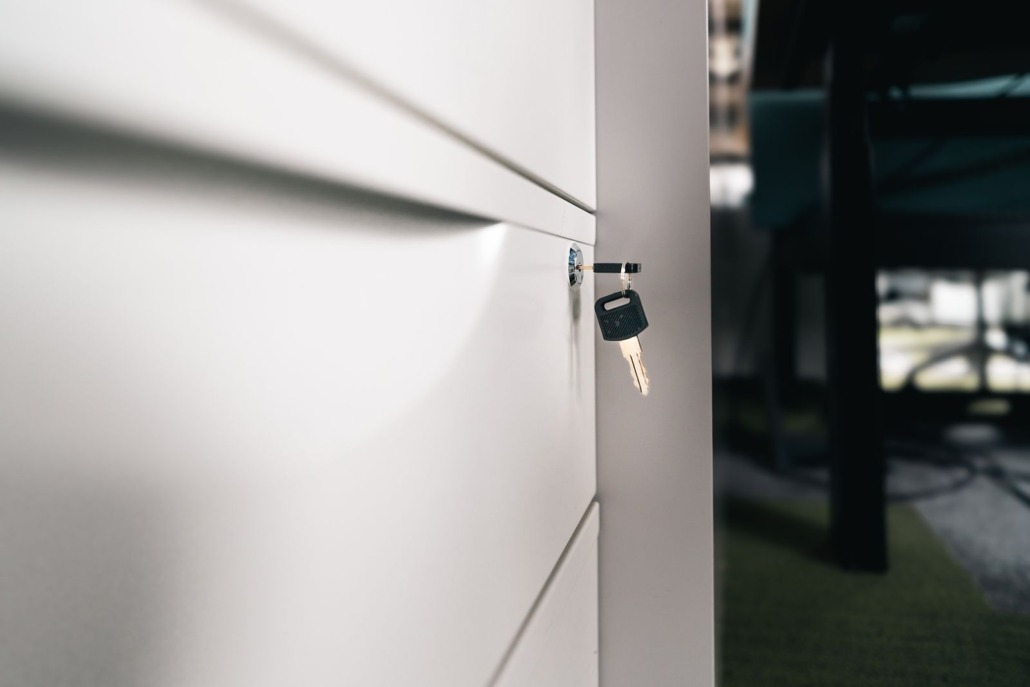
Photo: Jakub Zerdzicki / Pexels
- Keep cannabis products in a locked, childproof container. A high shelf is not a lock, and young children climb.
- Keep that container out of the reach and sight of children and pets.
- Keep edibles in their original child-resistant packaging from the store, and reseal the package after every use.
- Never move THC gummies or other edibles into an everyday candy bag, snack container or food container. That is the mix-up that sends kids to the hospital.
- Treat edibles like medication. Store them the way you would store prescription medicine, not the way you store groceries.
- Ask family members, friends and caregivers whose homes your children visit to store THC products the same locked way.
If a Child Eats an Edible
Do not wait it out and do not guess. The CDC directs people with questions to their local or regional poison control center at 1-800-222-1222, and to call 911 if it is an emergency.
Keep the package if you can find it. Poison specialists and medical staff can work faster when they can see what the product was and how much THC it contained.
The Bottom Line for Georgia Homes
Georgia is Santana’s home base and Atlanta is full of households where an adult product and a small child share the same kitchen. The fix here is unglamorous and it works: original packaging, resealed, locked, out of sight and out of reach, every single time. Candy shaped products demand medicine level storage.
Read our companion consumer alert on the Colorado Wana gummy recall, where the child-resistant packaging itself is the problem, for a reminder of why the lockbox at home matters even when the package does its job.
Sources: The Atlanta Journal-Constitution, reporting on Georgia Poison Center THC exposure cases, November 2026 (see the verification note in the build spec for this package); Capitol Beat News Service, “Lawmakers face conflicting calls to loosen, tighten regulation of hemp and marijuana,” reporting Gaylord Lopez testimony; Georgia Composite Medical Board meeting minutes, July 9, 2026; Centers for Disease Control and Prevention, “Cannabis and Poisoning.”
Editorial disclaimer: This post is journalistic coverage and general safety information based on the sources named above. It is not medical advice. If you suspect a child has eaten a THC product, call Poison Control at 1-800-222-1222 or call 911 in an emergency.
Photos and video of the public figures featured in this post are credited to the sources named with each image. The Green Social does not claim ownership of third-party media, which remains the property of its respective owners.
#CannabisSafety #Georgia #Edibles


Leave a Reply
Want to join the discussion?Feel free to contribute!