

A Federal Court Just Paused the DEA Rule That Was About to Squeeze Medical Marijuana Supply Chains
Four days. That is how close the industry came to a hard cutoff.
On Wednesday, November 25, a panel of the U.S. Court of Appeals for the District of Columbia Circuit stepped in and paused a key part of the Drug Enforcement Administration guidance that was set to bite on November 29. The order is short, one page, and the judges were clear about what it is not. It is not a final ruling. It is breathing room while the court decides what happens next.
Here is what happened, in plain terms.
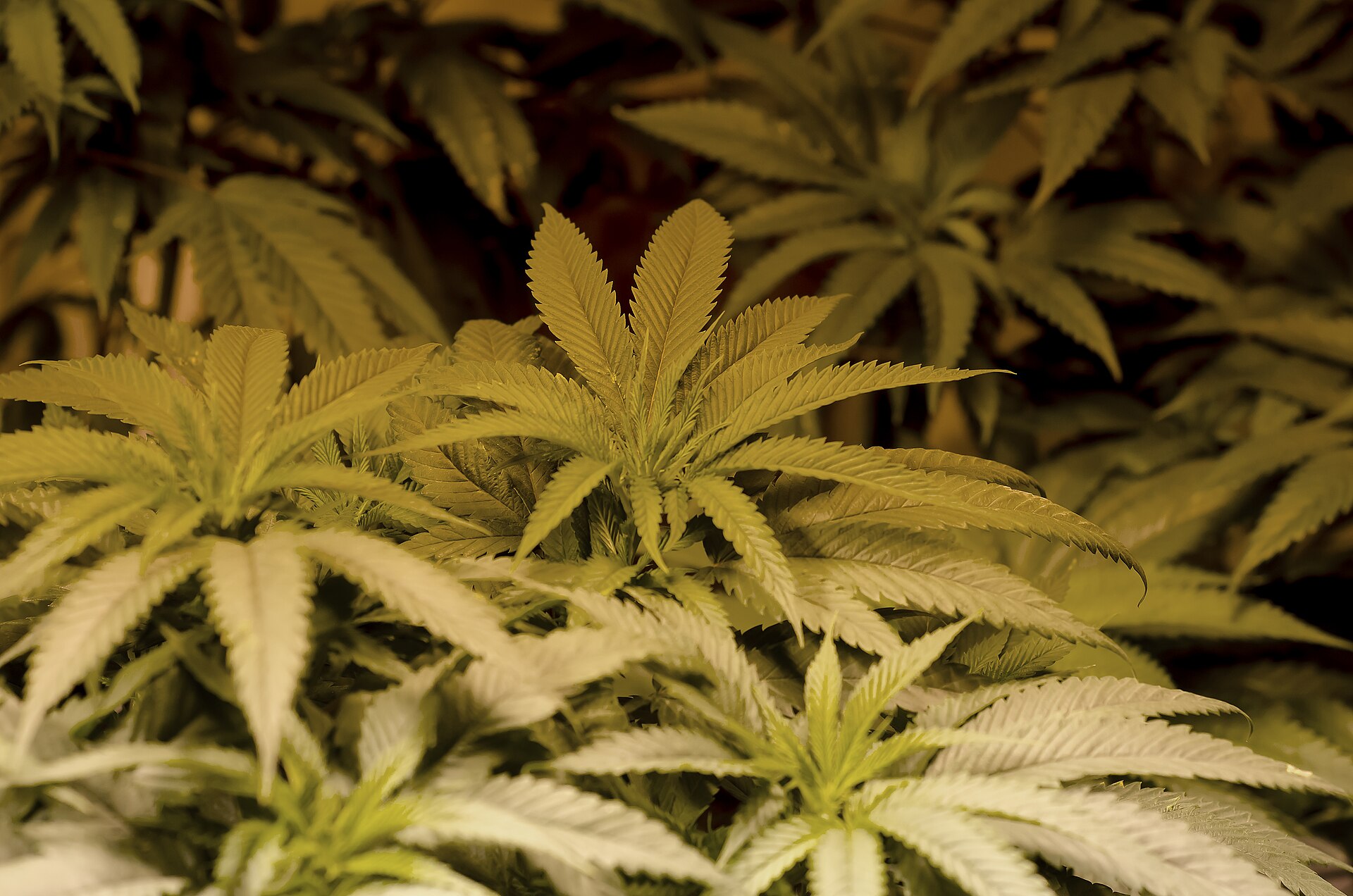
Photo: Brett Levin / Wikimedia Commons
Back on October 30, the DEA issued its Medical Marijuana Timely Applicant Information. Under that guidance, businesses that had registered with the DEA or applied on time, the timely applicants, would have until November 29 to line up their supply chains so they only bought from and sold to other operators who were also registered or timely applicants.
On paper that sounds tidy. In a real state market it is not. State programs were built over years, with growers, makers, labs and dispensaries trading with each other under state licenses. A lot of those partners are not on the federal timely list. Companies told the court the November 29 cutoff would force them to cut off longtime partners, disrupt supply, and put patient access at risk.
Three lawsuits challenged the guidance, and the court consolidated them as cases 26-1324, 26-1325 and 26-1329. The lead case is Standard Wellness Utah, LLC v. DEA. The other challengers include companies in Arizona, Oklahoma and Pennsylvania, among them Verde Americano, NW Confections OK and PennAlt Organics. On November 24, three Republican led states, North Dakota, Utah and West Virginia, filed a friend of the court brief backing the companies. Their argument was simple. Medical and drug regulation works best when the federal government works with the states, not against them, and this guidance disrupts state structures instead of supporting them.
The Justice Department pushed back. In a filing on Monday, the government said the challenges were without merit and argued that, like other Schedule III substances, medical marijuana can now be lawfully made, distributed and dispensed by entities registered with the DEA.
The panel, Judges Neomi Rao, Justin Walker and Bradley Garcia, did not pick a winner. In a per curiam order, the court administratively stayed the October 30 guidance pending further order, but only in a specific slice. The stay covers timely applicants doing Schedule III medical marijuana business that follows their state issued license, when they deal with entities that are neither federal registrants nor timely applicants.
Read that again, because the limits matter. The stay does not wipe out the whole October 30 guidance. It does not settle whether the DEA policy is lawful. The order says so itself. Its purpose is to give the court sufficient opportunity to consider the emergency motions for stay pending judicial review, and it should not be construed in any way as a ruling on the merits of those motions.
For operators, the practical effect is still big. The November 29 cliff for that slice of business is paused. State licensed deals that were about to become a federal problem on Sunday can continue for now, under state licenses, while the judges weigh a longer stay.
The legal team for Standard Wellness Utah, Verde Americano and NW Confections OK told Marijuana Moment they were grateful for the prompt action to preserve the status quo. Their statement framed the bigger goal too. The rescheduling order, they said, created a historic opportunity to bring state regulated medical marijuana businesses into the federal system, and they want that effort to succeed without unnecessarily disrupting patient access or destabilizing state programs.
That tension is the whole story. Rescheduling to Schedule III was supposed to bring medical marijuana into a clearer federal lane. The fight now is over the on ramp. How fast do state businesses have to rebuild their supply chains around a federal list, and who pays the price if a partner did not make that list in time?
Nobody got a final answer on November 25. What the industry got was time, and time, four days before a deadline, is not a small thing.
Photo: Kindel Media / Pexels
Watch for the next order from the court. That is where the real direction will show up, either a longer stay while the cases play out, or the pause lifting and the November 29 logic coming back fast.
Sources: U.S. Court of Appeals for the District of Columbia Circuit, administrative stay order, November 25, 2026, consolidated cases 26-1324, 26-1325 and 26-1329; Marijuana Moment, November 25, 2026; The Marijuana Herald, November 25, 2026.
Editorial disclaimer: This post is journalistic coverage of a federal court order and pending litigation, based on the court order and reputable reporting cited above. It is not legal advice. Businesses affected by DEA registration guidance should consult qualified counsel about their own situation.
#CannabisNews #MedicalMarijuana #DEA










Leave a Reply
Want to join the discussion?Feel free to contribute!