

Even Red States Say the DEA Went Too Far. The Weed Deadline Is Sunday.
The medical marijuana companies suing the DEA picked up some unlikely backup this week. On Tuesday, three Republican-led states, North Dakota, Utah and West Virginia, filed a friend of the court brief in the U.S. Court of Appeals for the D.C. Circuit, siding with the businesses challenging the agency’s new registration rules ahead of the November 29 supply chain deadline.
These are not legalization states scoring political points. They are red states telling a federal agency that it broke the medical programs they built.
“Medical and drug regulation are most effective when the federal government works with, rather than against, the States,” the brief says. But “rather than supporting preexisting State regulatory structures,” the DEA’s move “disrupts them by forcibly inserting new strictures on trade.”
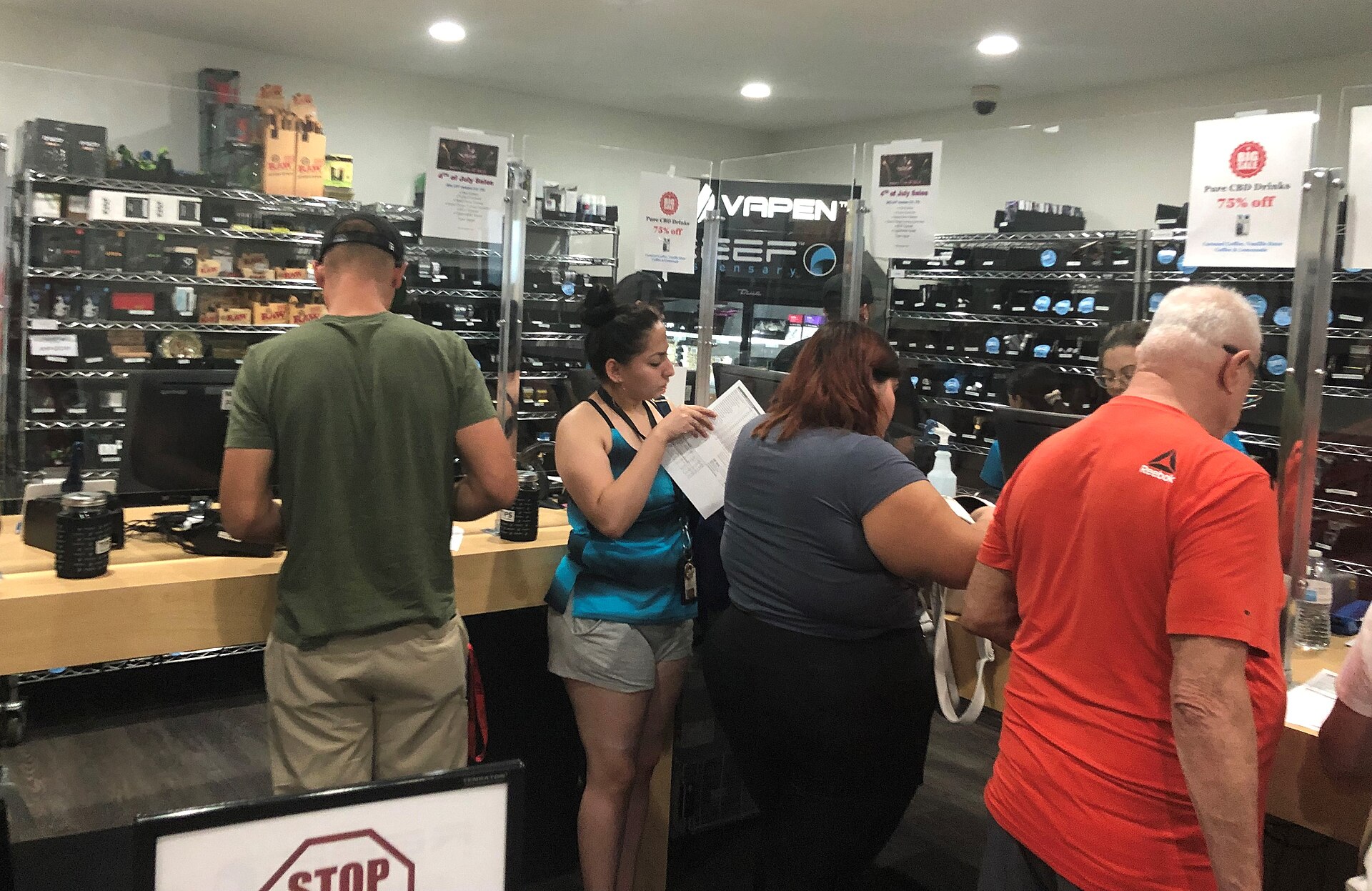
Photo: Anonymous / Unverified
The core complaint is process. The states argue the DEA imposed its new requirements with no rulemaking at all. The brief says the agency “retroactively imposed a severe consequence for failing to register that could not be cured,” tying exclusion from state medical marijuana markets to an application window that had already closed four months earlier. Under the DEA’s October guidance, providers who submitted complete applications and paid the fee between April 28 and June 26, 2026 count as “Timely Applicants.” The states point out that the Final Rule issued in April gave no indication that applying after June 26 would be untimely.
And the states say the DEA’s own delays made the trap worse. The agency’s first registrations, issued October 30, went only to dispensaries in seven states, and Utah was not one of them. The dedicated application for manufacturers and distributors did not open until October 5, more than three months after the June deadline had passed.
The practical result, the brief argues, is a market cut in two. Companies that applied before June 26 and companies that did not cannot do business with each other starting November 29. “Medical marijuana companies licensed by States in limited numbers now face product shortages and supply issues, making it harder for residents to obtain marijuana for legitimate medical purposes through lawful means,” the states wrote.
The brief was led by Utah Attorney General Derek Brown, and Utah’s program gets the sharpest language in it. The DEA move “runs roughshod over Utah’s deliberate regulatory scheme,” the brief says, and dividing so few licensed companies into two groups that cannot deal with each other “will throw the Utah cannabis market into chaos.” The states also put patients at the center of it, warning of “a wave of artificial scarcity” where prices rise and availability falls. “It has pulled the rug out from under patients seeking medical relief,” the brief says.
Legally, the states argue the DEA’s order violates the Administrative Procedure Act because it is arbitrary and capricious. They say the agency failed to consider the consequences for market participants, state regulators and patients, ignored the reliance interests states and licensees built under existing programs, and never explained why a longer or more tailored transition would not work. They are asking the court to stay the restrictions.
The docket is getting crowded, too. A third legal challenge, from the company PennAlt Organics, Inc., has joined the cases the court has consolidated in recent days. The DEA is not backing down. On Monday, the agency filed a brief arguing the challenges from marijuana businesses are “without merit and should be denied.”
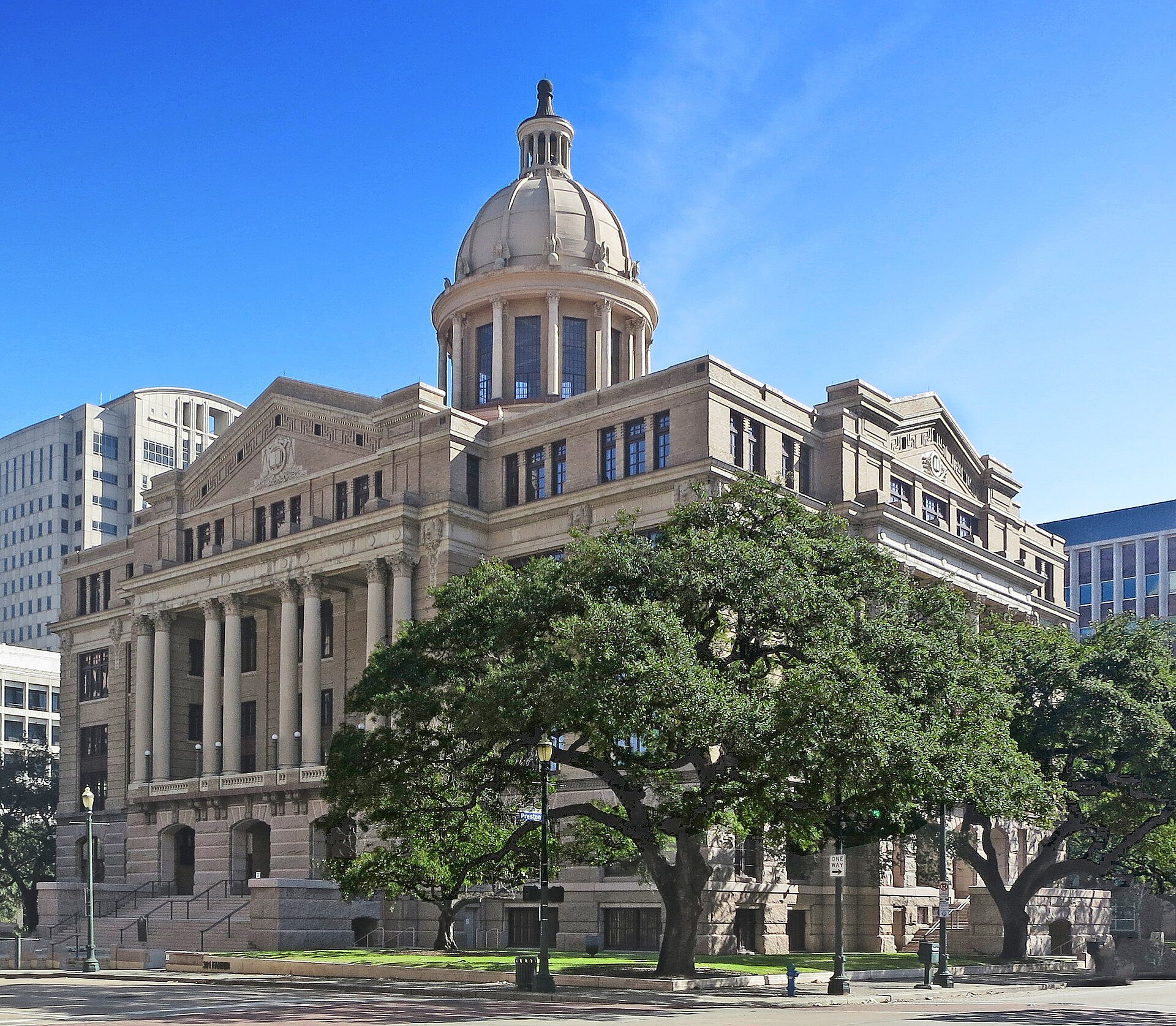
Photo: i_am_jim / Wikimedia Commons (CC BY-SA 3.0)
All of it runs into the same wall on the calendar. November 29 is this Sunday. If the court does not act before then, the two halves of each state market stop trading with each other, stay or no stay arguments still pending. When Republican states and the companies they license are making the same argument in the same case, the DEA has a bigger problem than one lawsuit. It has a federalism problem, and four days to fix it.
Sources: Marijuana Moment, “GOP-Led States Take Marijuana Businesses’ Side In Legal Challenge To Restrictive DEA Rules Under Rescheduling,” November 25, 2026, including the states’ amicus brief as published with the article; Marijuana Moment newsletter, November 25, 2026.
Editorial disclaimer: This post is news coverage based on publicly reported information and court filings as reported by the sources cited. The facts above are as reported, and the views and analysis expressed are our own. Nothing here is legal advice.
Photos and video of the public figures featured in this post are credited to the sources named with each image. The Green Social does not claim ownership of third-party media, which remains the property of its respective owners.
#CannabisNews #MarijuanaLaw #DEA









Leave a Reply
Want to join the discussion?Feel free to contribute!