
Your Test Came Back Positive. Can It Prove You Meant It?
Photo: Anonymous / Unverified
A positive drug test shows what was in your body. The question in front of the military’s highest court is whether it can also prove what was in your mind.
On November 19, the U.S. Court of Appeals for the Armed Forces heard arguments in United States v. Collyn L. Lawrence. Lawrence, an Air Force member, was convicted of wrongful marijuana use after a random urinalysis on January 9, 2024 found a THC metabolite at 22 nanograms per milliliter, above the Department of Defense reporting threshold of 15. He was sentenced to a reduction in rank to E-2 and a reprimand.
Under military law, wrongful use requires knowledge. For more than 70 years, courts have allowed that knowledge to be inferred from the presence of the substance itself, a doctrine called the permissive inference. Lawrence’s attorneys argue that inference no longer fits a country where marijuana and hemp products are widely available and unknowing ingestion is a real possibility.
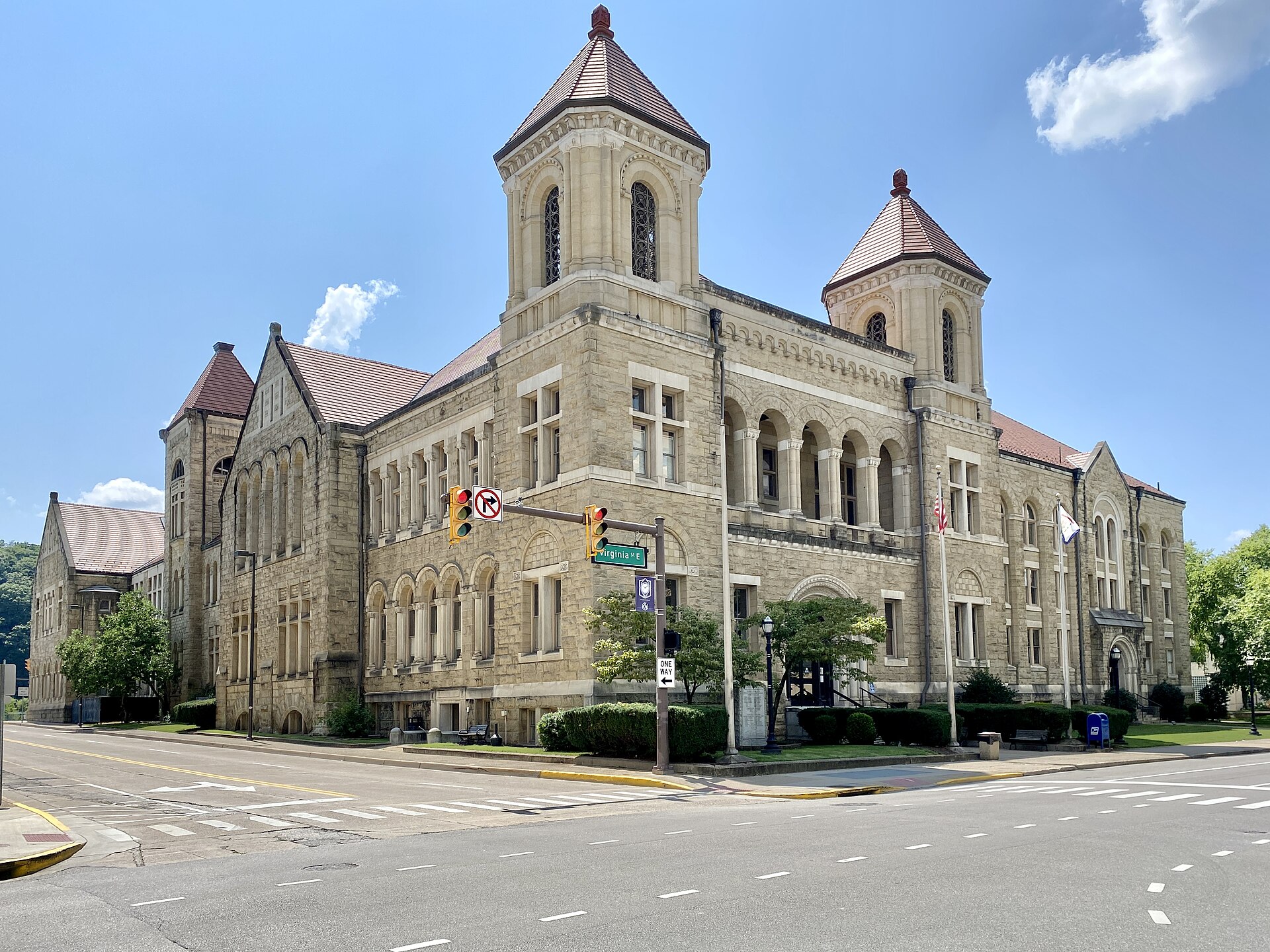
Photo: w_lemay / Wikimedia Commons
The defense’s strongest moment at trial came from the government’s own witness. Its forensic toxicology expert acknowledged under cross-examination that the lab results could not establish whether Lawrence knowingly consumed marijuana. At the hearing, Chief Judge Gregory Maggs pressed the math: if accidental ingestion once explained one positive test in a hundred and now explains two or three, at what point does the inference fail? The government’s attorney, Colonel G. Matt Osborn, argued that wider civilian availability does not undermine military testing, and the judges noted marijuana remains prohibited for service members regardless of state law.
The Air Force Court of Criminal Appeals upheld the conviction in May, finding the testing reliable and the concentration high enough to discount unknowing ingestion. The high court is now deciding whether the inference is unconstitutional, generally or as applied to Lawrence, and whether his conviction was legally sufficient.
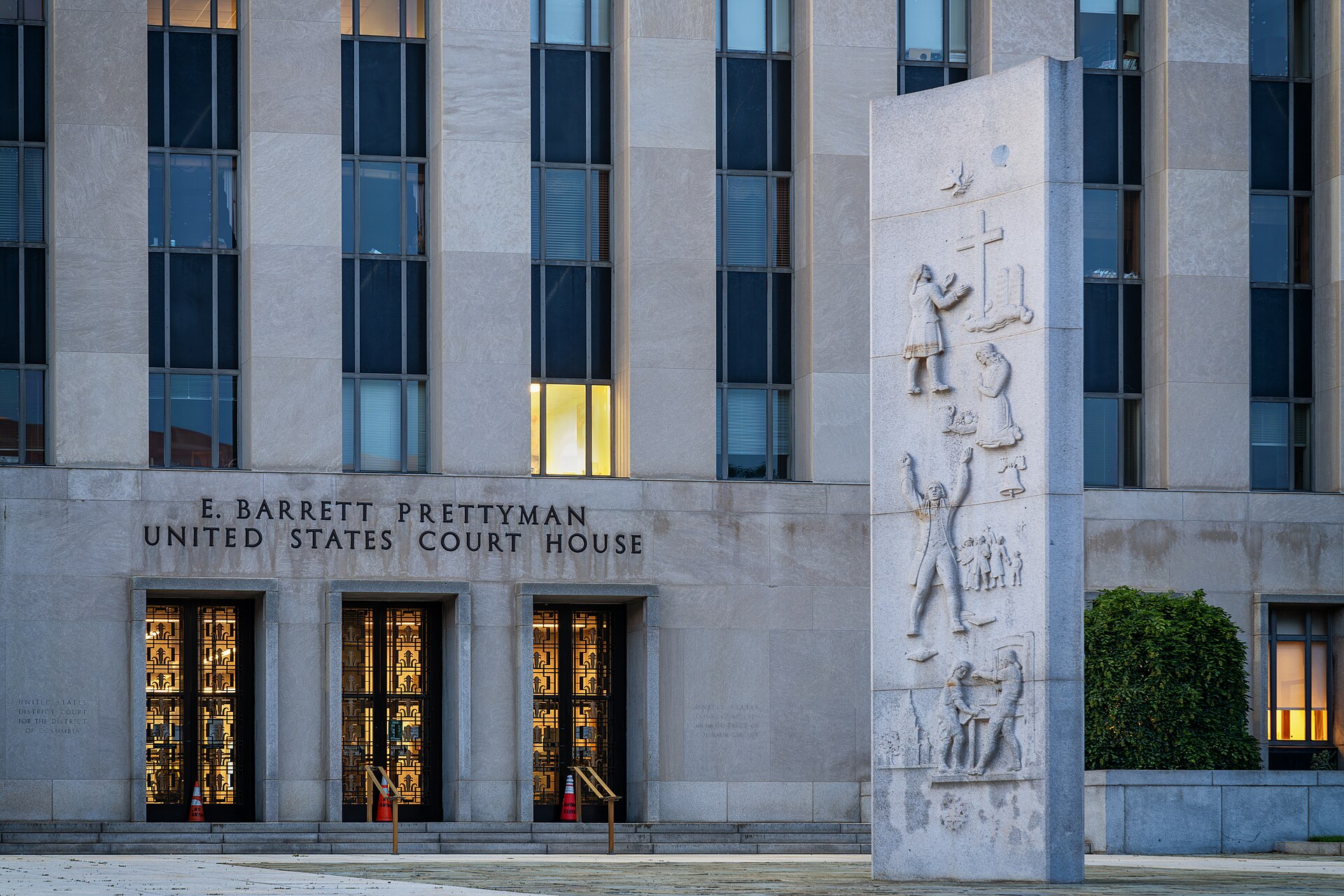
Photo: Tony Webster / Wikimedia Commons
No ruling has been issued. But the reach is obvious. The same gap between a lab result and a state of mind sits inside every workplace drug test in America, and this court is being asked to say out loud where proof ends and assumption begins.
Editorial disclaimer: This post is news coverage based on publicly reported information.
#CannabisNews #DrugTesting #Military









Leave a Reply
Want to join the discussion?Feel free to contribute!