
Then vs Now: Creator Success, From Gatekeepers to Going Direct
Every generation of Black creators tells the same story with different tools. Somebody makes something the gatekeepers did not ask for, an audience shows up anyway, and the industry arrives late, holding a check and acting like it was there from the start. What changed between then and now is not the talent. It is where the audience lives, and who owns the road to it.
THEN: THE GATEKEEPER ERA
In the gatekeeper era, distribution had a door, and somebody else held the key. A studio executive, a network president, a label head. The path ran through auditions, pitch meetings, and a small number of yeses.
Spike Lee showed what it took to walk around the door. He made She’s Gotta Have It in 1986 through his own company, 40 Acres and a Mule Filmworks, on a reported budget of about $175,000. The film grossed more than $7 million and launched a career on his own terms. The lesson was not just talent. It was ownership of the vehicle.
Eddie Murphy and Martin Lawrence became stars inside the studio and stand-up systems of their era, and Will Smith made the defining crossover of the 1990s, from rap to a hit sitcom to film stardom. Each of them still needed the system’s stages to reach the audience. The audience could not find them any other way.
Will Packer built the producer’s version of the workaround. Starting with Rainforest Films in 1994 and later Will Packer Productions, he made films for an audience Hollywood kept underestimating. His productions have grossed more than $1 billion worldwide across more than 30 features, and Girls Trip in 2017 became the first film written, directed, produced by, and starring African Americans to pass $100 million. Packer did not wait for permission. He proved the audience in the only language the gatekeepers could not argue with: ticket sales.
Shonda Rhimes ran television’s version. She created Grey’s Anatomy in 2005, built Shondaland into a hit factory with Scandal and How to Get Away with Murder, and became the first woman to create three television dramas that each passed 100 episodes. Then, in 2017, she did the thing that marked the era changing: she left network television for a landmark Netflix deal, reported at the time at more than $100 million. The gatekeeper era’s biggest winner used her leverage to walk into the next era.
Lena Waithe’s breakthrough sits right on the seam. In 2017 she became the first Black woman to win the Primetime Emmy for Outstanding Writing for a Comedy Series, for the Thanksgiving episode of Master of None, a streaming show. The award was old-system. The stage it happened on was new.
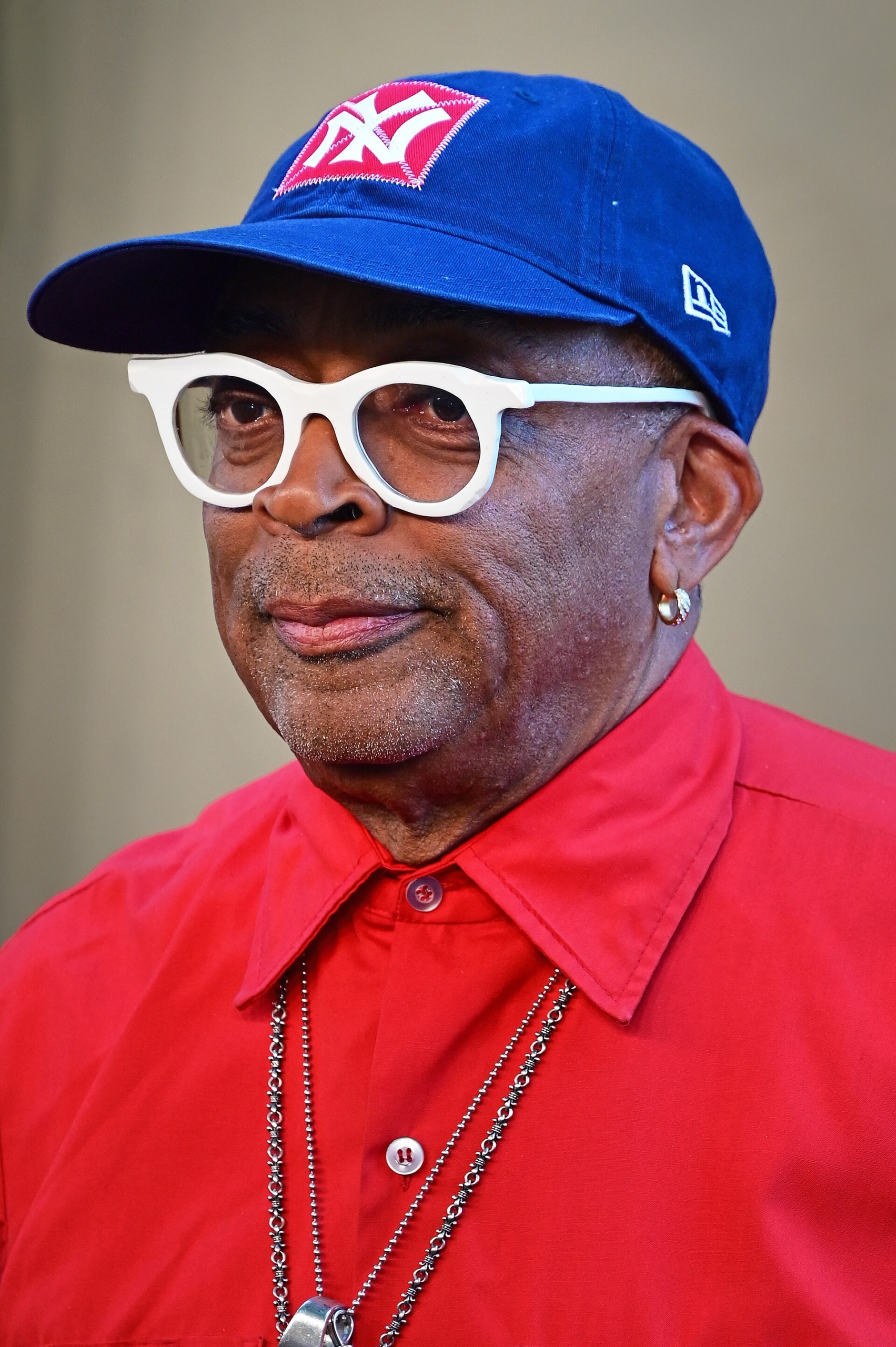
Photo: Philip Romano / Wikimedia Commons, CC BY-SA 4.0
AND THEN THERE IS TYLER PERRY
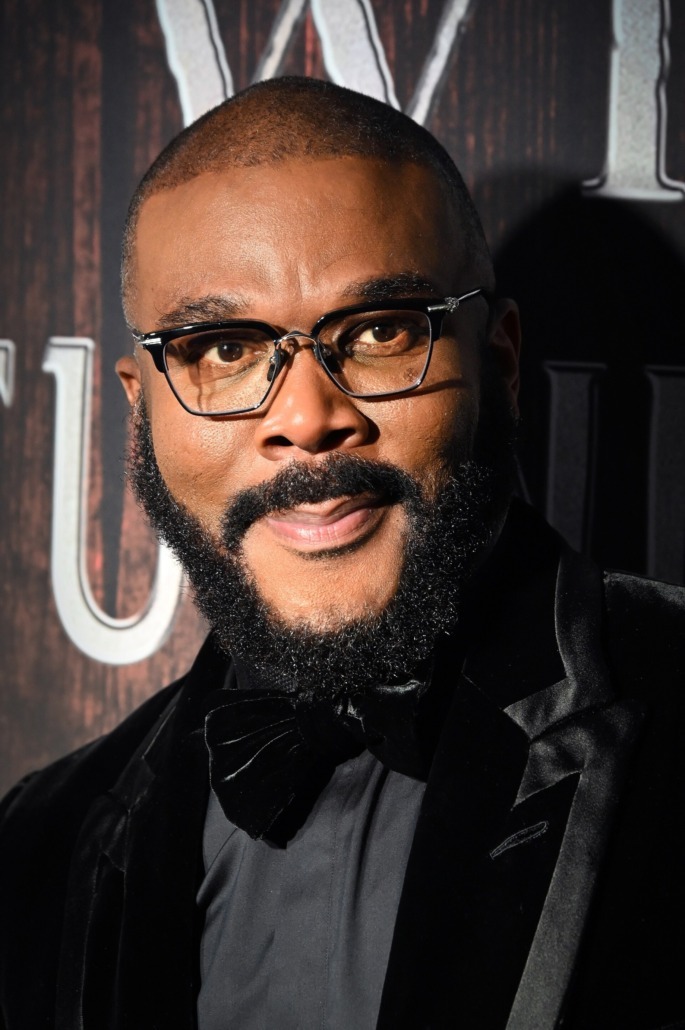
Perry belongs in his own paragraph because he refused both eras’ rules. He built his audience on the stage-play circuit, directly, city by city, years before Hollywood returned his calls. Then he bought the distribution itself. In 2019 he opened Tyler Perry Studios on 330 acres of Atlanta’s former Fort McPherson, with 12 sound stages, becoming the first African American to outright own a major film production studio. Perry’s answer to the gatekeeper was not a better pitch. It was a deed.
NOW: THE DIRECT ERA
Druski’s career would have been impossible in the gatekeeper era, and that is the point. Drew Desbordes started posting comedy sketches to Instagram in 2017, with no studio, no network, and no one’s permission. The audience came first. Coulda Been Records, his parody label built on Instagram Live auditions starting in 2020, turned followers into a franchise: live tours, Coulda Fest in 2024, arena dates after that. By the time traditional television came calling, he did not need it to reach anyone. He hosted Saturday Night Live on November 7, 2026, reported as the first host whose fame was built primarily as a digital creator, and he got there owning the relationship with his audience the whole way up.
That is the structural change. Then, the audience belonged to the network, the studio, and the time slot. Now, the audience follows the creator’s own account, and the creator can carry it from a phone screen to an arena to a streaming deal.
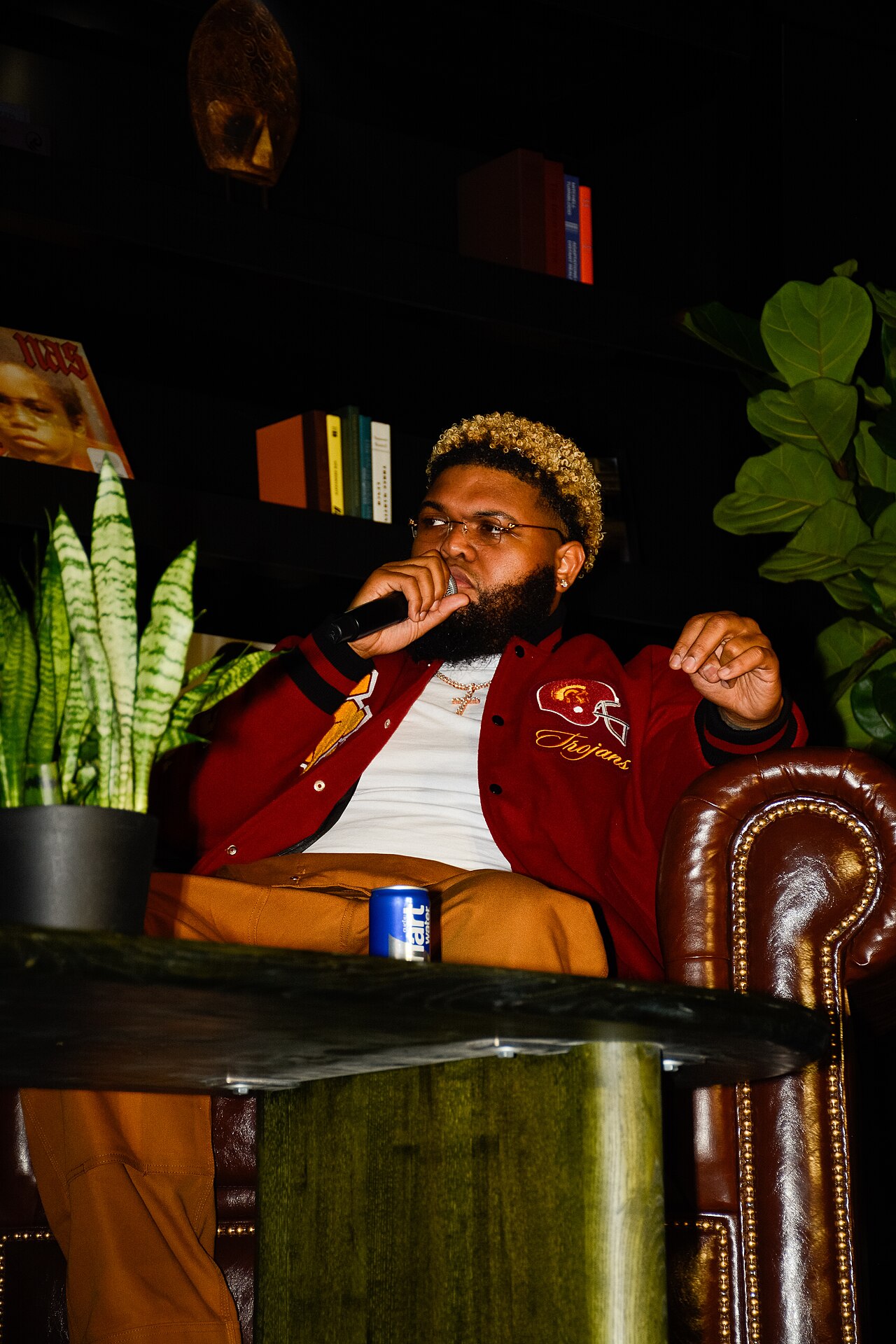
Photo: Gabriel Brooks / Wikimedia Commons, CC BY-SA 4.0
WHAT EACH ERA MADE EASIER, AND HARDER
The gatekeeper era was harder to enter and steadier once you were in. A network yes came with a budget, a marketing machine, and a career that did not depend on posting every day. It was also a filter that kept most Black creators out, and the ones who got through often did so without ownership.
The direct era is easier to enter and harder to sustain. Anyone can post. Almost no one can hold attention for years, feed an algorithm that changes without notice, and build a business on platforms they do not own. The new gatekeepers wear hoodies and work at platforms, and their yes is a recommendation feed instead of a green light.
WHAT NEVER CHANGED
The work still has to be good enough that people pass it along. Lee had it. Perry had it. Rhimes and Packer have it. Druski has it. The road to the audience changed completely. The toll is the same as it always was: make something people cannot ignore, then own as much of it as you can.
This is an analysis and opinion piece based on the reporting cited in the Fact-Check Notes of this batch. Statements of fact are sourced there; interpretations are the author’s.
Photos and video of the public figures featured in this post are credited to the sources named with each image. The Green Social does not claim ownership of third-party media, which remains the property of its respective owners.
This is an analysis and opinion piece based on the reporting cited in it. Statements of fact are sourced in the text; interpretations are the author’s.
The Green Social is an independent media and commentary publication, not a wire service or a court of record. News and media posts are based on publicly available information and reporting by the sources named in the post at the time of publication. Facts that could not be independently verified are identified as reported or unverified, or are omitted. Quotations are attributed to their stated sources; a quotation’s inclusion means it was reported, not that The Green Social endorses it. Analysis and opinion in this post are the author’s own and are labelled as such; they are not statements of fact. Events, statements, and coverage may develop after publication — material updates and corrections will be noted on this post. If you are a person or organisation discussed in this post and believe any statement is inaccurate or incomplete, or you wish to provide a response for publication, contact us through the Contact page on thegreensocial.com. Verified corrections and substantive responses are added promptly. Nothing in this post is legal, financial, or professional advice.
#BlackCreators #CreatorEconomy #ThenVsNow



Leave a Reply
Want to join the discussion?Feel free to contribute!