
Rescheduling Was Supposed to Help. Now Weed Companies Are Suing the DEA.
Rescheduling was supposed to be the federal government’s olive branch to the medical marijuana industry. In April, the Justice Department moved state-licensed medical marijuana into Schedule III, and operators who filed for federal registration in the 60-day window that followed could keep working under their state licenses while DEA reviewed their applications.
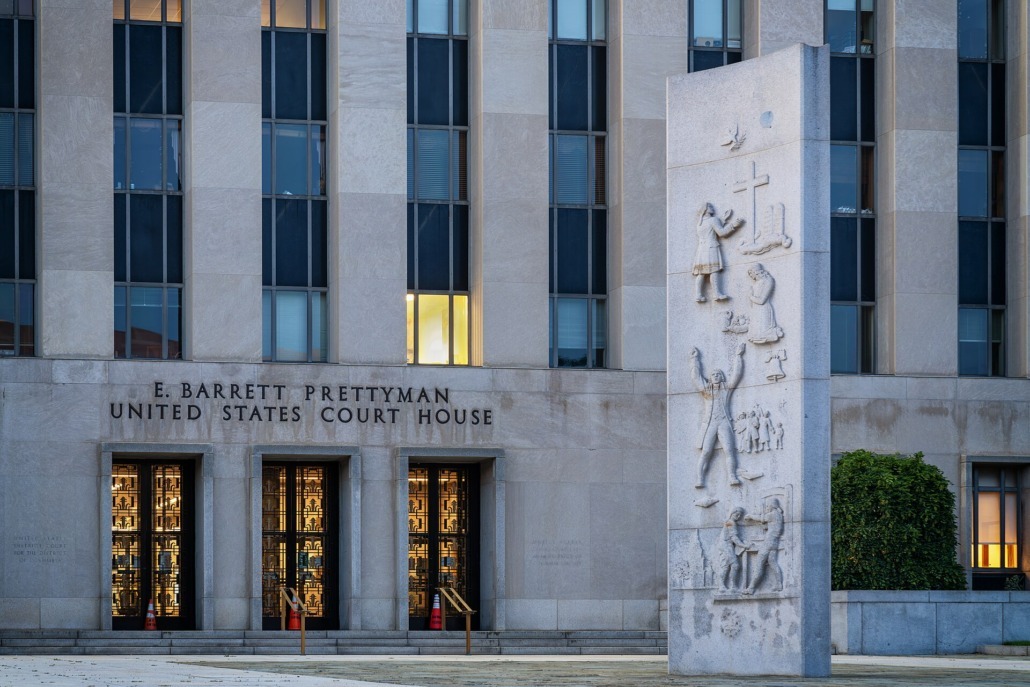
On Wednesday, Nov. 18, Standard Wellness Utah, Verde Americano of Arizona and NW Confections OK of Oklahoma filed a petition for review in the U.S. Court of Appeals for the District of Columbia Circuit. The case, Standard Wellness Utah, LLC v. Drug Enforcement Administration, No. 26-1324, challenges guidance DEA sent to applicants on Oct. 30. Their emergency motion asks the court for a ruling, or at least a temporary stay, by Nov. 25.
Here is the rule they are fighting. DEA’s Oct. 30 document, titled “DEA Medical Marijuana Timely Applicant Information,” defines timely applicants as state-licensed businesses that filed complete registration applications between April 28 and June 26. Starting Nov. 29, timely applicants and registered businesses may only buy from and sell to operators that registered or applied inside that same window. Businesses must verify every trading partner’s status and rebuild compliant supply chains by that date.
That sounds tidy in Washington. State markets are another matter, because cannabis cannot legally cross state lines. Every operator depends entirely on in-state growers, processors and dispensaries, and the filing argues some states do not have enough timely operators to keep product moving. Split a small market into two lists and both sides come up short: timely businesses lose suppliers and customers overnight, while non-timely businesses lose partners built over years.
Photo: Kindel Media / Pexels
The petition puts dollar figures on that split. Standard Wellness Utah says it stands to lose sales averaging about $275,900 a month, plus the suppliers of roughly 16 percent of its oil. Verde Americano expects to cut about 70 percent of its workforce. NW Confections has identified 15 dispensary customers, running about 23 locations, that it must stop serving after Nov. 29, and expects its Oklahoma business to become insolvent.
According to the filing, the market is not waiting for the deadline. Utah pharmacies and processors already refuse to deal with non-timely applicants, and one buyer is quarantining about $80,000 of Standard Wellness product delivered the day before it cut the company off. Two Verde customers demanded proof of its DEA status, and a multi-location customer paused its orders. The companies say they asked DEA to suspend the deadline and got no reply.
Photo: RDNE Stock project / Pexels
The legal case rests on three arguments. First, they say the guidance contradicts the April rescheduling order from Attorney General Todd Blanche and DEA’s own regulation, which let early applicants operate under state licenses while applications pend, with no end date and no trading partner condition. Second, they argue the restriction is a legislative rule imposed without required notice and comment. Third, they call the 30-day deadline arbitrary and capricious, because DEA never weighed the cost of severing years of trading relationships on a month’s notice.
Utah, Arizona and Oklahoma are not alone anymore. On Thursday, Nov. 19, four vertically integrated Pennsylvania companies filed their own challenge in the same court: DEA’s staggered rollout left their cultivation divisions without timely status, so their dispensaries could be barred from selling what their own growers produce. The court has consolidated the two cases, which join separate DEA orders questioning whether the agency can register applicants at all in six states and Washington, D.C.
Now the calendar is the story. The companies asked the court to act by Wednesday, Nov. 25, because after Sunday, Nov. 29, they say the damage cannot be undone: customers, suppliers, shelf space and employees lost in a forced reshuffle do not come back with a later court win. Watch for a stay, a DEA retreat, or silence. Silence is also an answer, and it is the one state markets are bracing for.
Editorial disclaimer: This post is news coverage based on publicly reported information. The lawsuit described contains allegations that have not been proven in court, and nothing here is legal advice.
Photos and video of the public figures featured in this post are credited to the sources named with each image. The Green Social does not claim ownership of third-party media, which remains the property of its respective owners.
#CannabisNews #Marijuana #Rescheduling


Leave a Reply
Want to join the discussion?Feel free to contribute!