
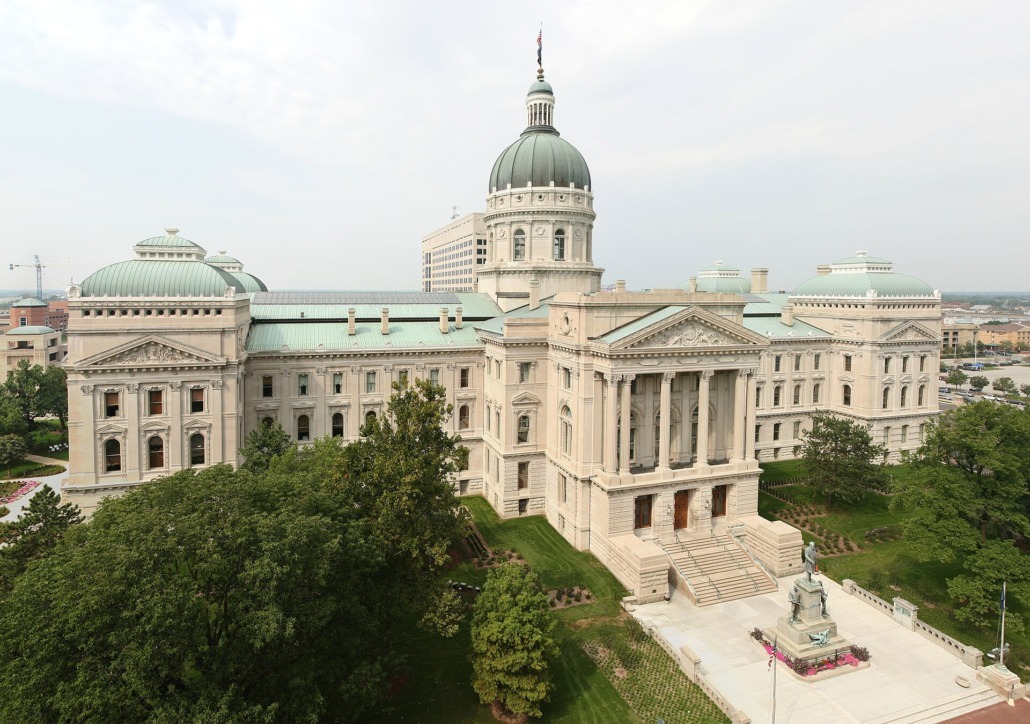
Indiana Is an Island of Prohibition. Could Voters Finally Get a Say?
Look at a map of the Midwest and Indiana jumps out. Illinois has legal recreational sales. Michigan has them. Ohio has them. Kentucky has legal medical sales. Indiana has none of it, no recreational market and no medical program, and it is not because voters keep saying no. Hoosiers have never been asked.
The reason is structural. Indiana does not allow citizen ballot initiatives, so residents cannot collect signatures and put legalization on the ballot themselves. The only door runs through the General Assembly, and leaders in the Republican-controlled legislature have not been willing to open it, not for recreational use and not even for medical. Every other route is closed.
Beau Bayh wants to build a new door. The Democrat won the secretary of state race this month, and in a Nov. 10 interview with the Evansville Courier & Press, he said a first priority is a constitutional change that would let citizens place initiatives on the ballot. On the campaign trail, he said, he heard the same frustration everywhere: “The voice of the people wasn’t being reflected in some of the outcomes in Indianapolis.”
The Courier & Press raised marijuana directly, noting that Evansville sits close to Southern Illinois and watches that revenue leave the state. Bayh did not dodge it. “I support putting that on the ballot and letting people decide,” he said. “I think people are capable of making that big decision.” He said he has been in touch with members of the legislature about a bill for the next session, and he wants Republican hands on it: “I want it to be bipartisan, so it can’t just be Democrats carrying the legislation.”
Photo: Funknendai / Wikimedia Commons (CC0)
Nobody should expect a quick fix, and Bayh is not selling one. Amending Indiana’s constitution takes a majority vote in both the House and the Senate in two successive legislative sessions, and then approval from a majority of voters. Only after that could citizens gather signatures for a legalization initiative, and only after that could legalization reach a ballot. Every step runs through the same legislature that has said no for years.
If a vote ever happens, the starting numbers are not close. The annual Hoosier Survey from the Bowen Center at Ball State University, released in January, found that 59 percent of Indiana residents favor legalizing cannabis for both medical and recreational use. Another 25 percent back medical access only, which puts total support for medical marijuana at 84 percent. The legislature is not shielding a divided public. It is sitting on a settled one.
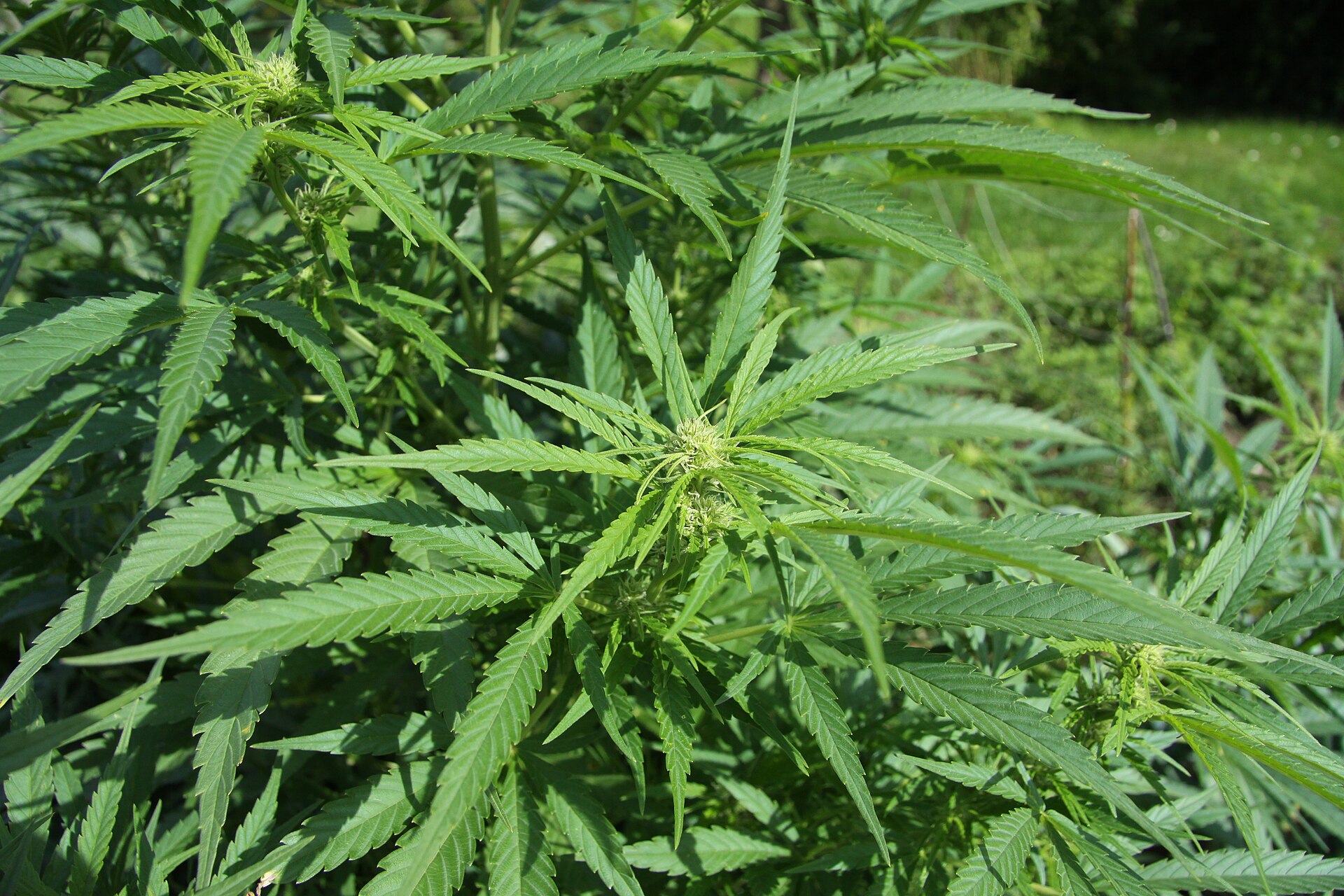
Photo: Chmee2 / Wikimedia Commons (CC BY 3.0)
Meanwhile, the island economics keep getting harder to defend. Per state figures reported this week by the Courier & Press, Illinois recorded $119 million in adult-use sales in September, plus $13 million in medical sales. Michigan reported $242,263,191 in recreational sales that same month. Ohio has passed $1.987 billion in recreational sales since its market opened, as of Oct. 16. Gov. Mike Braun, a Republican, has made the same point himself: Indiana is surrounded by four states where medical marijuana is available, and residents cross the border to buy it.
An inside track is moving at the same time, just slowly. Braun has repeatedly said he is open to medical legalization and hopes his party’s stance softens, and Republican state Sen. Mike Bohacek is drafting a medical bill for the 2027 session. Both paths still need the legislative leadership that has shown no urgency to act. That is exactly the deadlock Bayh is pointing at.
So the Indiana fight is not really about weed first. It is about who gets to decide when Indianapolis will not. Bayh’s proposal asks the legislature to hand some of its power back, which is why it is a long shot, and why it matters that a statewide winner is saying it out loud. If that door ever opens, the polling says Hoosiers know which way they would walk through it.
Editorial disclaimer: This post is news coverage based on publicly reported information. The constitutional amendment and legislation described have been proposed or discussed but not passed, and legislative outcomes are not guaranteed.
Photos and video of the public figures featured in this post are credited to the sources named with each image. The Green Social does not claim ownership of third-party media, which remains the property of its respective owners.
#IndianaCannabis #MarijuanaLegalization #CannabisNews


Leave a Reply
Want to join the discussion?Feel free to contribute!