
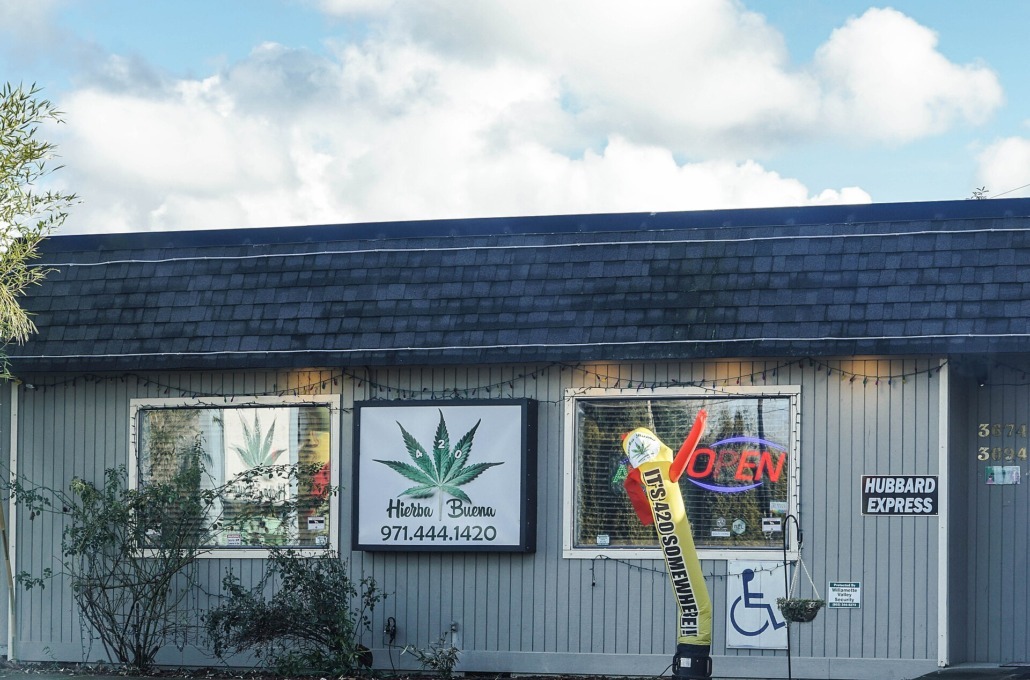
Weed Just Passed Alcohol in Canada. Is the U.S. Next?
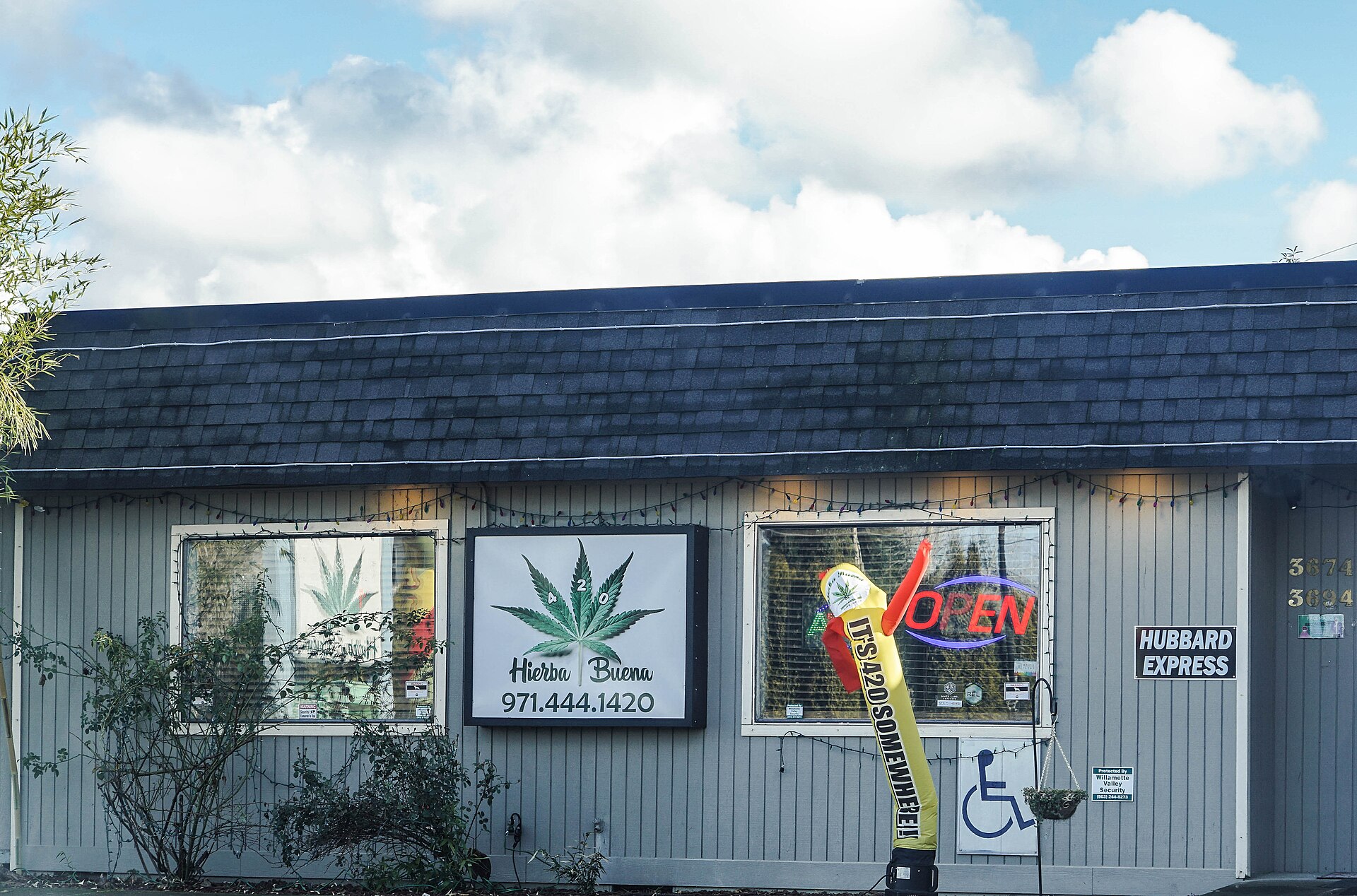
Photo: Anonymous / Unverified
It is a small gap, half a percentage point. It is also a first.
A study published November 23 in the Canadian Medical Association Journal found that 5.7 percent of Canadian adults reported using cannabis daily or almost daily, compared with 5.2 percent who reported drinking alcohol daily. Daily cigarette use was still higher overall, at 8.5 percent. The researchers analyzed responses from 99,920 adults in the 2023 to 2024 Canadian Community Health Survey, a nationally representative survey run by Statistics Canada.
The headline number is close. The age breakdown is not. Daily cannabis use passed daily alcohol use among adults aged 18 to 49. Among adults aged 18 to 34, daily cannabis use also caught up with or passed daily cigarette use. And the starkest figure in the study sits with young women: among females aged 18 to 24, 6.6 percent reported daily cannabis use, while just 0.4 percent reported daily drinking. The study puts that as daily cannabis use running about 17.7 times as high as daily alcohol use in that group.
In raw people, 5.7 percent works out to about 1.81 million Canadians using cannabis every day or nearly every day. The study was led by Andre McDonald of McMaster University, with senior author Daniel Myran, and McMaster described the pattern plainly: under 50, daily cannabis is now more common than daily drinking. Canadian Press coverage of the study framed it as a generational shift, and that framing is hard to argue with when you look at where the gap lives. It lives with younger adults. Among older adults, the old order still holds, and cigarettes still lead overall.
A few honest limits, because the study names them itself. The numbers are self-reported, and the authors note cannabis use may be underreported because stigma lingers even in a legal market. Cannabis and alcohol use were measured over the past 12 months, while cigarette use was measured over the past 30 days. The survey did not measure how much of each substance people used on a given day, and it did not cover nicotine vaping. It is a snapshot of 2023 and 2024 habits, not a live feed of this week.
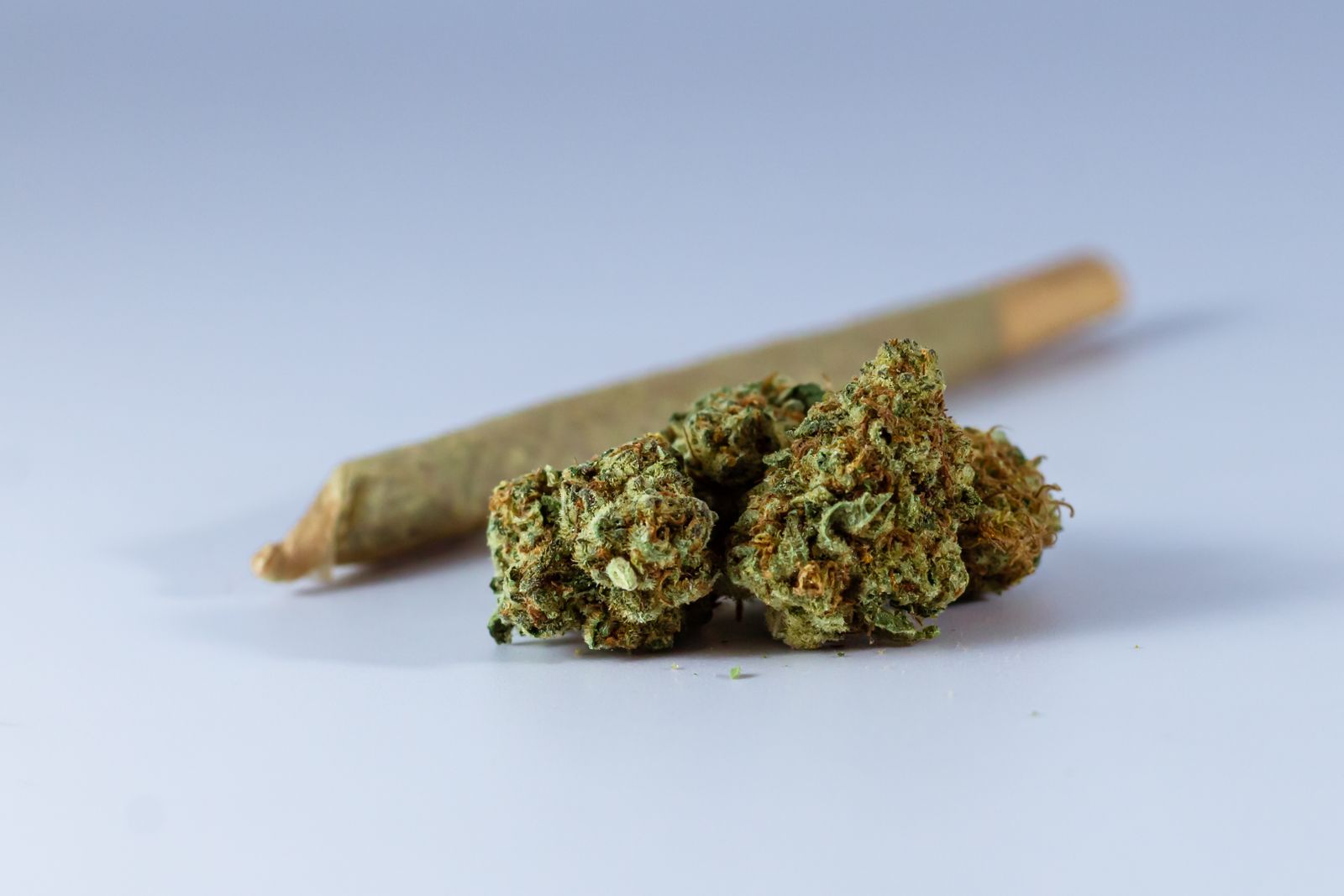
Photo: Pexels
Context matters too. Canada legalized recreational cannabis federally in 2018, one of the first countries to do it, so this is what roughly six years of a legal, regulated market looks like in survey data. Legal did not mean rare or occasional. For a meaningful slice of younger adults, it meant routine, the same slot in the day that a daily drink used to occupy.
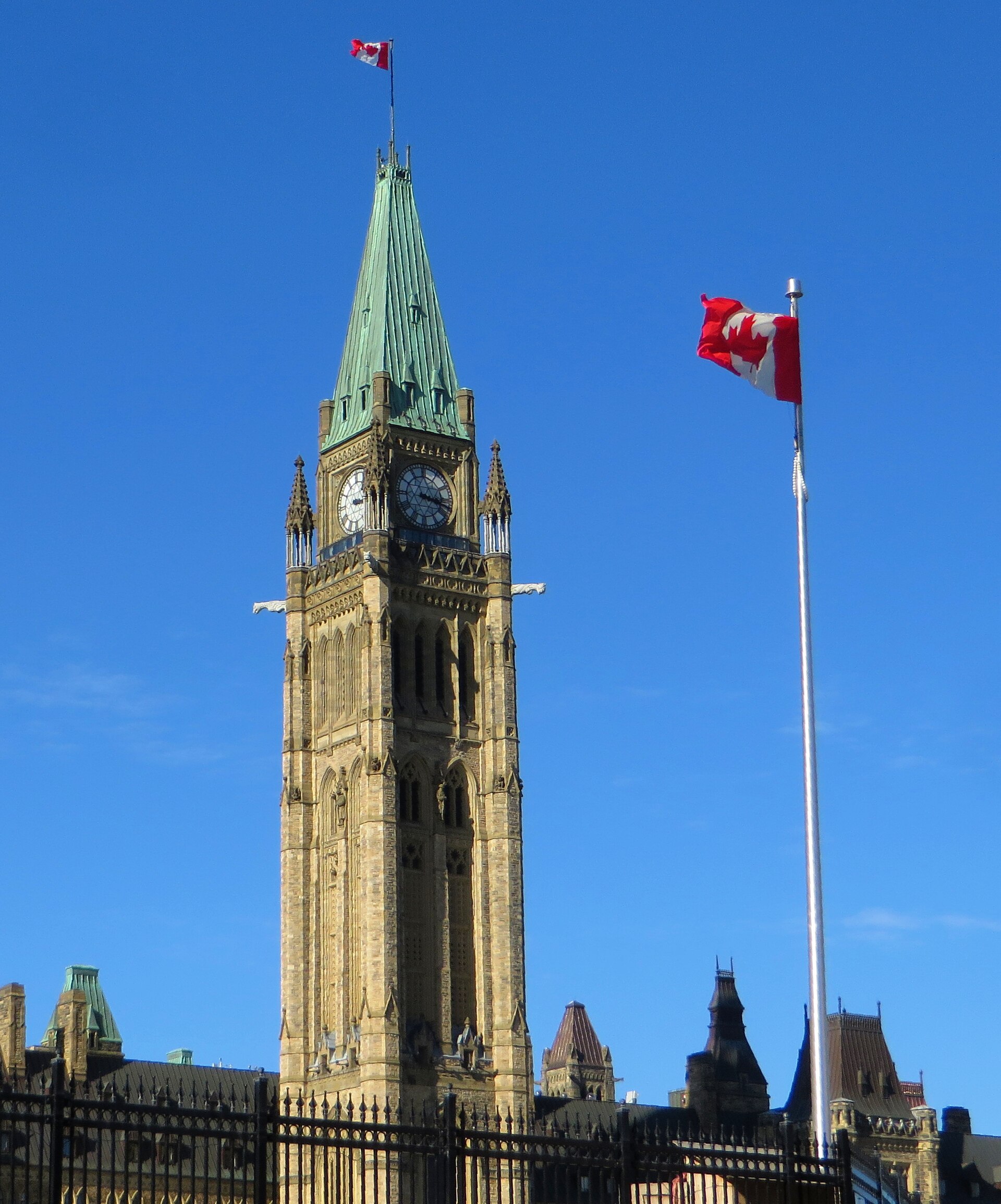
Photo: Ken Lund / Wikimedia Commons
So, is the U.S. next? This study cannot answer that, and this post will not pretend it can. The American market is a patchwork of state systems under federal prohibition, not one national legal market, and no comparable U.S. figure is in these sources. What Canada offers is not a prediction. It is a preview of a question: when cannabis is legal, regulated, and ordinary, does daily use quietly pass the daily drink? In Canada, among everyone under 50, the answer is already yes.
Sources: McDonald et al., Canadian Medical Association Journal, November 23, 2026 (data: 2023 to 2024 Canadian Community Health Survey, 99,920 respondents); McMaster University Faculty of Health Sciences summary, November 2026; The Canadian Press report on the study, November 23, 2026.
Editorial disclaimer: This post is news coverage based on publicly reported information. The facts above are as reported by the sources cited, and the views and analysis expressed are our own. Nothing here is legal advice.
Photos and video of the public figures featured in this post are credited to the sources named with each image. The Green Social does not claim ownership of third-party media, which remains the property of its respective owners.
#CanadaCannabis #CannabisNews #Legalization









Leave a Reply
Want to join the discussion?Feel free to contribute!